
Curious About Course?    Get Free Demo Class Now

Category: Careers in Fashion Designing

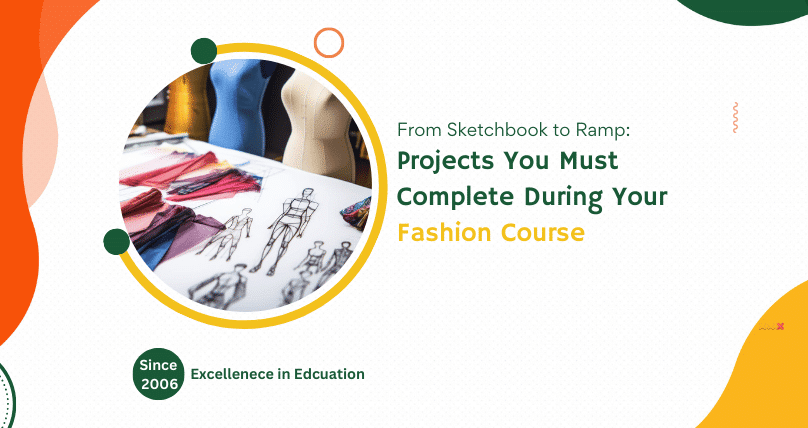
From Sketchbook to Ramp: Projects You Must Complete During Your Fashion design Course

Becoming a fashion designer is not just about creativity—it’s about practice, experimentation, and real-world exposure. A good fashion designer course takes you on a complete journey, starting from basic sketching and ending on the ramp with your own collection.

From Sketchbook to Ramp Projects You Must Complete During Your Fashion Course

If you’re planning to join fashion designing courses in Ahmedabad, it’s important to know what kind of practical projects you’ll work on. At Kalapurnam Institute, one of the leading institutes of fashion design in Ahmedabad, students learn through hands-on projects that prepare them for the fashion industry.

Let’s walk you through the exciting projects that turn a beginner into a confident fashion professional.

Why Practical Projects Are the Backbone of Fashion Courses

Fashion is a skill-based profession. No matter how good your theory is, real learning happens only when you create something with your own hands.

According to industry reports, over 75% of fashion recruiters prefer candidates with strong portfolios rather than only academic certificates. That’s why project-based learning is essential in fashion education.

Practical projects help you:

  • Build confidence

  • Improve creativity

  • Understand fabrics and garments

  • Create a strong portfolio

  • Get industry-ready

This is why top fashion designing courses in Ahmedabad focus heavily on project work.

Sketching & Fashion Illustration Projects

Every fashion journey begins with a sketchbook.

What You Work On:

  • Basic figure drawing

  • Fashion poses and proportions

  • Colour rendering

  • Fabric texture illustration

  • Manual and digital sketching

These projects help students express ideas visually. Whether you’re joining an after 10th fashion designing course or later, sketching is the foundation of fashion design.

Mood Boards & Concept Development Projects

Before designing clothes, designers research and plan concepts.

Projects Include:

  • Theme-based mood boards

  • Colour palette development

  • Trend research

  • Inspiration mapping

  • Concept-to-design translation

This stage teaches you how professional designers plan collections for brands and fashion weeks.

Fabric & Textile Exploration Projects

Understanding fabric is crucial in fashion design.

Hands-on Textile Projects:

  • Fabric identification

  • Swatch book creation

  • Surface ornamentation

  • Tie-dye, block printing, embroidery

  • Fabric manipulation techniques

India’s rich textile heritage makes this module especially important. Students gain strong knowledge of materials used in real production.

Pattern Making & Garment Construction Projects

This is where sketches turn into real garments.

Key Projects:

  • Drafting basic blocks

  • Pattern alteration and grading

  • Stitching garments

  • Finishing techniques

  • Fit and silhouette development

These projects give you practical tailoring skills, which are essential for working in boutiques, brands, or starting your own label.

Traditional & Indian Wear Design Projects

Indian fashion is a huge market, valued at over ₹1.5 lakh crore.

Projects Focus On:

  • Sarees, lehengas, kurtis, sherwanis

  • Indian embroidery styles

  • Ethnic textiles

  • Fusion wear concepts

This module is extremely useful for students who want to work in ethnic fashion or bridal wear.

Western Wear & Contemporary Fashion Projects

Modern fashion demands global knowledge.

Projects Include:

  • Casual wear

  • Formal wear

  • Party wear

  • Streetwear collections

  • Trend-based outfits

Students learn how to adapt international trends for Indian consumers—an important skill for today’s fashion designers.

Accessory & Styling Projects

Fashion is not complete without styling.

Styling Projects Cover:

  • Jewellery design

  • Bags and footwear concepts

  • Styling garments for photoshoots

  • Look coordination for fashion shows

These projects help students understand how styling enhances garment appeal.

Digital Fashion & Software-Based Projects

Technology plays a major role in modern fashion.

Digital Projects Include:

  • Digital flats using Illustrator

  • Print design using Photoshop

  • Tech packs

  • Digital portfolio creation

Students trained in fashion software have 30–40% better placement opportunities, according to industry data.

Sustainable & Eco-Friendly Fashion Projects

Sustainability is the future of fashion.

Eco-Fashion Projects:

  • Upcycling old garments

  • Zero-waste pattern making

  • Sustainable fabric research

  • Recycling-based designs

With sustainable fashion growing at 10% annually, this module adds great value to your career.

Collection Development Project

This is the highlight of every fashion designer course.

Final Collection Includes:

  • Theme selection

  • Colour and fabric planning

  • Design development

  • Complete outfit collection

  • Presentation boards

This project becomes the centrepiece of your fashion portfolio.

Fashion Show / Ramp Walk Projects

From sketchbook to ramp—this is where it all comes together.

Ramp Projects Include:

  • Garment fitting

  • Model coordination

  • Backstage preparation

  • Ramp presentation

  • Show choreography basics

Participating in fashion shows builds confidence and gives real industry exposure.

Portfolio Development Projects

Your portfolio is your fashion resume.

Portfolio Projects Help You:

  • Select best work

  • Organise designs professionally

  • Create physical and digital portfolios

  • Present work confidently to recruiters

A strong portfolio is often the deciding factor in job placements and freelance opportunities.

Industry Internship & Live Projects

Top institutes of fashion design in Ahmedabad focus on industry exposure.

Internship Benefits:

  • Real client work

  • Industry discipline

  • Understanding deadlines

  • Networking opportunities

Many students receive job offers through internships.

How These Projects Prepare You for the Fashion Industry

By the end of your course, you’ll be able to:

  • Design independently

  • Work with fabrics confidently

  • Understand production processes

  • Communicate design ideas professionally

  • Handle real fashion assignments

This makes you job-ready from day one.

Why Kalapurnam Institute Focuses on Project-Based Learning

At Kalapurnam Institute, our fashion designing courses in Ahmedabad are designed around practical learning.

What Makes Us Different:

  • Industry-relevant projects

  • Expert mentors

  • Modern labs

  • Fashion shows & exhibitions

  • Strong placement support

Whether you’re joining a fashion designer course after 10th or later, we ensure complete skill development.

Conclusion

A fashion designing course is much more than classroom learning—it’s a creative journey from sketchbook to ramp. The projects you complete shape your skills, confidence, and career direction.

If you’re serious about building a career in fashion, choose fashion designing courses in Ahmedabad at Kalapurnam Institute, where learning happens through real design experiences.

Turn your passion into a profession. Enrol today at Kalapurnam Institute!

FAQs

1. What projects are mandatory in a fashion designing course?

Sketching, garment construction, collection development, and portfolio projects are compulsory.

2. Can I join a fashion designing course after 10th?

Yes, many students start with an after 10th fashion designing course.

3. Do fashion projects help in getting jobs?

Absolutely. Recruiters focus more on portfolios than marks.

4. How many collections do students design during a course?

Students usually design 2–4 mini collections and 1 major collection.

5. Can I start my own boutique after completing the course?

Yes, many Kalapurnam students successfully start their own labels or boutiques.

Software & Tools You’ll Learn in Fashion Designing Courses

In today’s fast-paced fashion industry, creativity alone isn’t enough. Aspiring fashion designers need to be tech-savvy, too. That’s where learning software and tools in fashion designing courses becomes essential. Whether you dream of working for a top fashion brand, starting your own label, or creating stunning portfolios, mastering these tools can set you apart in India’s competitive fashion landscape.

Software & Tools You’ll Learn in Fashion Designing Courses

At Kalapurnam Institute, our fashion design course in Ahmedabad ensures students get hands-on experience with all the industry-standard software and tools. Here’s a detailed look at what you’ll learn and why it matters.

Why Software Skills Are Essential in Fashion Designing

Technology has transformed fashion. From sketches to finished garments, digital tools speed up the design process, reduce errors, and allow experimentation like never before.

  • Boost Creativity: Experiment with colours, patterns, and textures without wasting materials.

  • Industry Standard: Brands and studios in India now prefer designers who are proficient in software.

  • Professional Portfolio: Digital work adds polish and professionalism, making your portfolio stand out.

According to a 2024 industry report, over 70% of fashion brands in India now rely on CAD and design software for production planning and visualisation, making software skills a must-have.

Design & Illustration Software

Adobe Illustrator

Adobe Illustrator is the backbone of fashion illustration. With vector-based tools, you can create flat sketches, pattern designs, and technical drawings that are essential for production-ready designs.

CorelDRAW

CorelDRAW is widely used for graphic elements, textile prints, and digital sketches. Many fashion students in India prefer it for its intuitive interface and versatile tools.

CLO 3D / Browzwear

3D garment simulation tools like CLO 3D and Browzwear let designers see realistic drapes and fits digitally. This reduces sample costs and accelerates the design approval process.

Pro Tip: Brands often test designers’ abilities with Illustrator or CLO 3D in interviews, so mastering these tools gives you a competitive edge.

CAD (Computer-Aided Design) Tools

Tukatech

Tukatech is a powerful CAD tool for pattern making, grading, and marker planning. Many Indian apparel manufacturers rely on Tukatech to increase efficiency and reduce wastage.

Lectra

Lectra’s CAD software is perfect for automated workflows, pattern adjustments, and precise garment measurements.

Optitex

Optitex is known for digital pattern making and 3D prototyping, which helps designers visualise and tweak designs before production.

Fact: Around 65% of India’s fashion design studios now integrate CAD tools into their production, making proficiency essential for graduates.

Textile & Fabric Design Tools

Adobe Photoshop

Photoshop isn’t just for photography. Fashion designers use it for textile patterns, fabric textures, colour grading, and print design.

NedGraphics

NedGraphics focuses on textile design and fabric simulation, allowing designers to create weaving patterns and print layouts efficiently.

Pointcarre / TexDesign

Tools like Pointcarre and TexDesign help with weaving, knitting, and print design, which are crucial for Indian textile businesses.

Tip: Knowing fabric design tools can make you indispensable for brands working with silk, cotton, and other Indian textiles.

Fashion Marketing & Portfolio Tools

Adobe InDesign

Creating professional lookbooks, brochures, and portfolio layouts is easy with InDesign. It helps you present your designs in a polished, industry-ready manner.

Canva / Figma

These tools are ideal for digital branding, mood boards, and marketing content. They’re simple, fast, and help designers build a strong personal brand.

Stat: Over 80% of fashion students in India use Canva or InDesign to create professional portfolios that attract recruiters and clients.

Production & Manufacturing Tools

PLM (Product Lifecycle Management) Software

PLM tools like Gerber YuniquePLM help manage collections, production timelines, and inventory efficiently. Designers learn to handle the full lifecycle of a product digitally.

ERP Software in Apparel

Enterprise Resource Planning (ERP) tools integrate design, production, and inventory management, making the manufacturing process seamless.

Pro Tip: Learning production tools gives you an edge if you aim to work in large apparel houses or luxury brands.

Why Learning These Tools in Fashion Designing Courses Matters

  • Career Readiness: Students trained in software are preferred by top fashion brands in India.

  • Efficiency & Accuracy: Reduces manual errors and speeds up the design process.

  • Global Opportunities: International brands value designers with software proficiency.

Fact: Fashion designers proficient in digital tools can earn 20–30% higher starting salaries compared to those relying solely on manual sketching.

Tips to Master Fashion Designing Software

  • Practice regularly with mini-projects and real-life assignments.

  • Attend workshops, webinars, and online tutorials.

  • Work on portfolio projects that showcase your versatility and creativity.

  • Stay updated with the latest trends and software updates.

FAQs

  1. Which software is most important for fashion designing students?
    Adobe Illustrator, Photoshop, CLO 3D, and CAD tools like Tukatech are essential.
  2. Can I learn these tools online before joining a course?
    Yes, online tutorials help, but hands-on guidance in courses like Kalapurnam Institute’s fashion design course in Ahmedabad ensures practical learning.
  3. Do fashion design software skills increase job opportunities?
    Absolutely! Brands now prefer designers who can combine creativity with technical proficiency.
  4. Which software is used the most in Indian fashion industry?
    Illustrator, Photoshop, Clo 3D, and Tukatech are widely used across Indian studios and manufacturing houses.
  5. Can I specialize in software for fashion design after basic courses?
    Yes, many institutes offer advanced modules focusing solely on software and digital tools.

Conclusion

Technology and creativity go hand-in-hand in today’s fashion world. Learning software and tools in a fashion designing course is no longer optional – it’s essential. From creating stunning digital sketches to managing production workflows, mastering these tools prepares you for a thriving career in India’s booming fashion industry.

At Kalapurnam Institute, our fashion design course in Ahmedabad equips students with both creative and technical skills, ensuring they’re industry-ready from day one. Start learning today and bring your fashion ideas to life with precision, style, and digital mastery!

Fashion Designing Courses After 12th That Can Shape Your Dream Career

If you’ve just passed 12th and dream of making it big in the world of fashion, now is the perfect time to step into this exciting industry. With India’s fashion market projected to grow at a CAGR of 11.5% over the next five years, fashion designing is no longer just a creative pursuit—it’s a booming career. Whether you’re from Delhi, Mumbai, or looking for a fashion design course in Ahmedabad, there are ample options across the country.

Fashion Designing Courses After 12th That Can Shape Your Dream Career

This blog will guide you through the scope of fashion designing after 12th, salary expectations, skills required, career opportunities, and why institutes like Kalapurnam are ideal for your design journey.

Why Choose Fashion Designing After 12th?

  • High Demand: The Indian textile and apparel market is expected to reach USD 350 billion by 2030.

  • Creative Freedom: Fashion designing offers space to innovate, express and create.

  • Global Opportunities: Indian designers like Manish Malhotra and Anita Dongre have made their mark internationally.

  • Lucrative Packages: Starting salary can range from ₹3-6 LPA, with top designers earning over ₹15 LPA.

What You Learn in a Fashion Designing Course

Fashion designing courses are structured to nurture your creative instincts and turn them into practical design solutions. The curriculum generally includes:

  • Basics of Design and Color Theory

  • Fashion Illustration and Draping Techniques

  • Pattern Making and Garment Construction

  • CAD (Computer-Aided Design) for Fashion

  • Fabric Science and Textile Studies

  • Portfolio Development and Industry Internships

These modules help students build real-world fashion sense along with technical proficiency.

Fashion Design Course at Kalapurnam Institute Ahmedabad

Kalapurnam Institute offers one of the most practical and comprehensive fashion designing courses in Ahmedabad tailored for students who want to pursue a creative career right after 12th.

✨ Key Highlights of the Course:

  • Comprehensive Curriculum: Covers design principles, fashion illustration, garment construction, embroidery techniques, and portfolio development.

  • Industry-Oriented Tools: Training on software like Adobe Photoshop, Illustrator, CorelDRAW, and fashion CAD tools.

  • Hands-on Learning: Live projects, exhibitions, and practical garment making sessions.

  • Flexible Duration: Options available from short-term to 1-year advanced programs.

  • Career Support: Portfolio building, job placement assistance, and exposure to fashion shows and events.

Whether you want to become a fashion stylist, boutique owner, or launch your own clothing label, Kalapurnam equips you with everything needed for success.

📍 Learn more about their full offerings here.

Career Scope After Fashion Designing Courses

  • Fashion Designer

  • Textile Designer

  • Stylist or Image Consultant

  • Fashion Blogger or Influencer

  • Visual Merchandiser

  • Fashion Illustrator

  • Boutique Owner or Entrepreneur

With India’s growing e-commerce fashion sector and demand for personalization, the career potential is vast. According to reports, over 60% of fashion graduates find employment within six months.

Eligibility & Entrance Info

  • Basic Requirement: Completion of 12th standard from any stream (Arts, Commerce, Science)

  • No Mandatory Entrance Test: Many private institutes allow direct admission based on personal interviews and creative aptitude

  • Portfolio Requirement: Some colleges or courses may ask for a design portfolio or art samples

Best Places in India to Study Fashion Design

From metros like Delhi and Mumbai to Tier-2 cities like Ahmedabad and Pune, students can find top-quality design education across India. For local students, there are diverse courses after 12th in Ahmedabad that include creative, digital, and career-oriented streams.

Industry Trends in Fashion Education

  • Sustainable & Eco-Friendly Design

  • Digital Fashion using 3D Software & AI Tools

  • Fashion Blogging, Content Creation & Influencer Marketing

  • Fusion of Indian Crafts with Modern Fashion

  • E-commerce & Boutique Business Management

Final Thoughts

Fashion designing after 12th is a smart and stylish career move. It gives you the opportunity to express creativity, work with big brands, or even start your own label. Institutes like Kalapurnam Institute provide the right blend of practical exposure and industry-ready skills—making it an ideal place to start your journey.

So, if fashion is your passion, it’s time to turn it into a profession.

People Also Ask – FAQs

  1. Can I pursue fashion designing after 12th commerce or science?
    Yes, students from all streams (arts, commerce, science) are eligible to enroll.
  2. What skills are needed for a career in fashion design?
    Creativity, drawing skills, understanding of fabrics, fashion trends, and CAD tools are essential.
  3. What is the scope of fashion designing in India?
    The fashion industry is booming with opportunities in retail, e-commerce, styling, merchandising, and entrepreneurship.
  4. Is Kalapurnam Institute good for fashion designing?
    Yes, Kalapurnam offers industry-relevant curriculum, live projects, and placement assistance, making it a preferred choice in Ahmedabad.
  5. Are there short-term fashion courses available?
    Yes, many institutes, including Kalapurnam offer diploma and certification programs of 3 to 12 months.

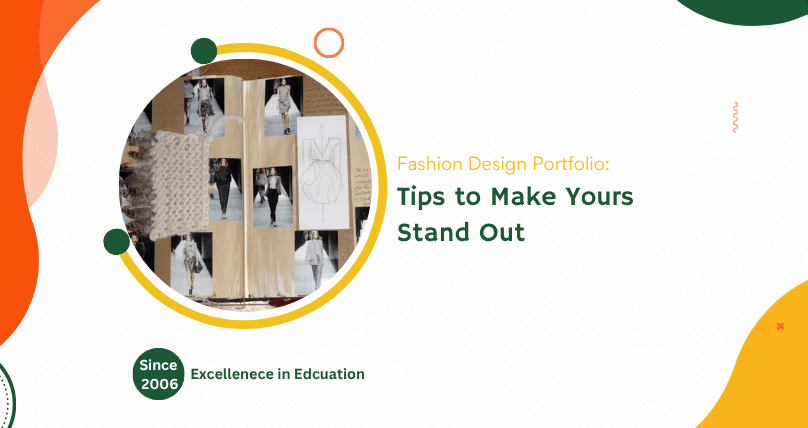
Fashion Design Portfolio: Tips to Make Yours Stand Out

Introduction

In the competitive world of fashion, a well-crafted portfolio is the key to unlocking opportunities. Whether you’re a student taking fashion designing courses in Ahmedabad or a professional looking to expand your career, your portfolio is your visual résumé. It showcases your creativity, skills, and potential to future clients or employers. But with so many portfolios out there, how do you make yours stand out?

Fashion Design Portfolio Tips to Make Yours Stand Out

In this guide, we’ll take you through essential tips for creating a fashion design portfolio that grabs attention and leaves a lasting impression. By the end of this article, you’ll have all the knowledge you need to showcase your talent and kickstart your career in fashion design.

What Should a Fashion Design Portfolio Include?

Your portfolio is a representation of your skills, creativity, and design philosophy. It should not only reflect your technical abilities but also showcase your unique style. Here’s what you need to include:

1. Introduction or Personal Statement

The introduction is your chance to briefly introduce yourself and explain your design philosophy. This could include your journey into fashion, your inspirations, and what makes your designs unique. A well-written personal statement can provide insight into your personality and vision as a designer.

2. Sketches and Illustrations

One of the most important elements of your portfolio is your sketches. These should be high-quality and show your ability to visualize ideas and translate them into clear designs. You can include different types of sketches, such as hand-drawn, digital, or mixed-media designs. Ensure that each sketch is detailed and showcases your creativity.

3. Technical Drawings (Tech Packs)

As you progress in your fashion design studies in Ahmedabad, you’ll learn about technical drawings, also known as tech packs. These are essential for understanding how designs can be practically executed. Include drawings that show your technical skills, like garment construction details, fabric choices, and measurements. This demonstrates your ability to take your creative designs to real-world applications.

4. Mood Boards and Inspirations

Mood boards are a great way to express the inspirations behind your designs. They give insight into your thought process, from color palettes to textures, and even cultural influences. Mood boards help your audience understand your creative vision and what drives your design aesthetics.

5. Finished Garments and Pieces

If you have created any finished garments or prototypes, be sure to include them in your portfolio. Photographs of actual pieces you’ve worked on or crafted demonstrate your ability to bring your ideas to life. Whether it’s a dress, jacket, or accessories, showing your work in its final form adds credibility to your portfolio.

How to Organize Your Portfolio for Maximum Impact

A portfolio isn’t just about showing your work—it’s about presenting it in the most engaging and organized way possible. Here’s how you can structure your portfolio for maximum impact:

1. Portfolio Layout and Structure

A clean and structured layout is key. Arrange your designs in a way that tells a story—start with a brief introduction, followed by your best sketches, technical drawings, mood boards, and finished pieces. Each section should flow seamlessly into the next. Avoid overcrowding your portfolio with too much content; instead, focus on your best work.

2. Choosing the Right Format (Physical vs. Digital)

In today’s digital age, a digital portfolio is the way to go. You can create an online portfolio on platforms like Behance, Adobe Portfolio, or even your own personal website. A digital portfolio is easy to share and can be accessed anywhere, making it more versatile.

However, for events like interviews or design school applications, a physical portfolio may still be relevant. Ensure that it is professionally bound and printed in high-quality paper with sharp images and clear design.

3. Presentation Quality

The quality of your images is critical. Make sure the photos are well-lit, high-resolution, and show your designs clearly. Whether you are photographing sketches, mood boards, or finished garments, ensure they look professional. Poor presentation can diminish the impact of your designs, so take time to capture the best shots.

Tips for Making Your Portfolio Unique and Memorable

A portfolio is your personal brand, so it’s important to make it memorable. Here are some tips to ensure yours stands out:

1. Showcase Your Unique Style

Your portfolio should reflect your design signature. Whether it’s minimalistic, bohemian, avant-garde, or traditional, make sure your personal style shines through. Avoid imitating others—let your designs speak for themselves and show what makes you different.

2. Quality Over Quantity

It’s better to showcase a few standout designs than to include everything you’ve ever made. Focus on your best work that truly reflects your abilities. A portfolio that is too crowded can overwhelm the viewer and make it harder for your best designs to stand out.

3. Include a Variety of Designs

While your portfolio should showcase your unique style, it’s also important to demonstrate versatility. Include designs that cover different styles, fabrics, and techniques to show you can adapt to various fashion needs. A well-rounded portfolio is more likely to attract a wide range of clients or employers.

4. Add a Personal Touch

Tell a story behind your designs. Whether it’s a piece inspired by your travels or a collection that represents your cultural heritage, adding a personal narrative makes your portfolio more relatable and memorable.

How to Tailor Your Portfolio for Different Audiences

Your portfolio should be adaptable depending on who you’re presenting it to. Here’s how you can tailor it for different audiences:

1. For College Applications

If you’re applying to a fashion design school, focus on showcasing your creativity and potential. Include a mix of sketches, mood boards, and technical drawings. Schools look for students who demonstrate passion, creativity, and technical knowledge.

2. For Job Interviews with Fashion Houses

When applying for jobs in fashion houses or companies, focus on showing your technical skills and your ability to meet industry standards. Include finished garments, tech packs, and any work you’ve done with clients or brands.

3. For Freelancers/Brand Collaboration Proposals

If you’re pitching to a brand or working as a freelancer, your portfolio should demonstrate how you can meet specific client needs. Include previous collaborations, custom designs, and pieces that show your ability to work on different projects.

Photography Tips for Fashion Portfolio

Photography is a crucial part of showcasing your designs. Here are some tips to ensure your fashion pieces are captured professionally:

1. Importance of High-Quality Photos

Invest time and effort into photographing your designs with high-quality equipment or hire a professional photographer. Crisp, clean images can make all the difference in presenting your work in the best possible light.

2. Lighting and Angles

Good lighting is essential for capturing the true colors and textures of your designs. Natural light is often the best, but if you’re shooting indoors, make sure your lighting setup highlights the details of the fabric and design. Experiment with different angles to show your garments from all perspectives.

3. Editing Photos for a Professional Look

After taking your photos, use editing tools to enhance them. Crop images to focus on key details, adjust brightness and contrast, and correct any imperfections. The goal is to make your designs look as professional as possible.

Common Mistakes to Avoid in a Fashion Design Portfolio

Even experienced designers can make mistakes in their portfolios. Avoid these common errors:

1. Overcrowding Your Portfolio

Don’t include every piece you’ve ever created. Be selective and only show your best work.

2. Lack of Consistency in Design Style

A portfolio with inconsistent design styles can confuse viewers. Keep your style consistent throughout, but don’t be afraid to show your versatility.

3. Poor Quality Photos

High-quality images are crucial. Avoid using blurry or poorly lit photos.

4. Not Tailoring Your Portfolio to Your Audience

Make sure your portfolio suits the audience you’re presenting it to—whether it’s a school, job, or client.

Conclusion

A fashion design portfolio is your ticket to a successful career in the fashion industry. By following these tips and focusing on your unique style, you can create a portfolio that truly stands out. Whether you’re looking to join a fashion school, apply for jobs, or start your brand, your portfolio will play a key role in showcasing your skills and talent.

So, take the time to craft a standout portfolio that reflects your passion and creativity. Ready to get started? If you’re looking to pursue fashion designing courses in Ahmedabad, now is the perfect time to start building your portfolio and shaping your future in the fashion industry.

KalaPurnam Institute - Professional courses in ahmedabade
Whatsapp Icon