
Curious About Course?    Get Free Demo Class Now

Tag: fashion designing

Freelance or Job? What to Do After Your Fashion Designing Course

Fashion is one of the few industries where creativity meets business head-on. For graduates after completing the best fashion designing courses in Ahmedabad, the next big question is, what to become? A freelance or look for a full-time job?
Freelance or Job? What to Do After Your Fashion Designing Course

Both of those have unique challenges and opportunities. Whether you are dreaming of having your own label or maybe you want to scale the ladder in a top-notch fashion house, the decision you take after qualifying can set the whole tone for your career. 

This blog will run you through both options in detail so that you can be confident about deciding which suits your goals.

Why the Question Matters After a Fashion Designing Course

Fashion designing in India has seen rapid evolution. With the rise of e-commerce, social media, and global collaborations, there are some opportunities for a graduate today that would never have existed a decade ago. However, the first few years post-studies are crucial for portfolio building, networking, and setting the foundation for a career. 

Regardless of whether one is entwined in freelancing or transitioning into the paid sector, one must consider one’s threshold in terms of long-term vision, financial stability, and skill sets. Students who finish the best fashion design courses in Ahmedabad often stand at this very crossroads, choosing between stability and independence.

Choosing a Fashion Job: The Structured Path

An interior fashion job facilitates structured learning, regular payment, and an uninterrupted career path. Many brands, export houses, and retail companies in India actively recruit freshers. 

Advantages of Taking the Job Are: 

  • Steady Income: Entry-level salaries range between ₹3.5 to ₹5 lakh per annum, depending on the brand and role. 
  • Process Exposure: You can gain firsthand experience of design development, merchandising, production cycles, and marketing. 
  • Networking: Branding enables one to meet buyers, stylists, and photographers who would turn out to be valuable contacts in the long run. 
  • Mentorship: Sometimes the senior designers mentor freshers, thus expediting their learning. 

Downsides Are: 

  • Limited Creativity: There are certain times when one needs to design as per the identity of the brand rather than their own design language. 
  • Inflexible Work Hours: A working style that constrains ambition for a more flexible arrangement. 
  • Slower Personal Recognition: It takes longer to really stand out on your own.

Choosing Freelancing: The Independent Path

With the rise of various online platforms like Instagram, Behance, Upwork, and Truelancer, the Indian freelancer has become a trendy occupation. Young designers start freelancing immediately after the course to put forth their own design style. 

Advantages of being a freelancer: 

  • Creative freedom: you set your own themes, colours, and projects. 
  • Flexibility: You are allowed to work at any pace, as well as collaborate with different industries. 
  • Better Income: Depending on the niche of work and client base, a freelancer can generally make more than a salaried employee. In India, a professional freelance designer earns somewhere between ₹6–10 lakhs per year.
  • Personal Branding: Freelancing enables you to take the identity of your own early on in life. 

Downsides to Consider:

  • Uneven Income: Project work can be seasonal and uncertain at times when starting. 
  • No Formal Mentorship Available: Without the accumulation of experiences, one has to rely heavily on self-learning. 
  • Client Acquisition Difficulties: Gaining the trust and rapport of clients requires persistence and networking.

How to Decide What’s Right for You

The decision between freelance and a job should not be rushed. Some points to consider here before making the decision: 

  1. Financial Security: If one needs the paycheck for side-related personal expenditures, a job is better to start with. 
  2. Risk Appetite: If you can bear risks for going after clients, then freelancing will suit you better. 
  3. Skill Level: Professional-level portfolios and niche skills work better, usually in freelancing. Beginners may get more opportunities to learn from the industry mentors. 
  4. Long-term Objectives: Do you want to put your own label out eventually? Freelancing will get you there faster. Do you want to be the boss of creative teams in established companies? A job might do better to prepare you. 

Hybrid Approach: Best of Both Worlds

Many designers in the contemporary world choose to hybridize their career path. Working in the industry helps them gather knowledge, create networks, and also provides financial security. Once they gain confidence in their freelancing skills, a designer starts moving more into independent freelance jobs or starts their own label. 

The best fashion design courses in Ahmedabad offer assistance to students and also look for opportunities like internships, part-time projects, freelance jobs, and the like, even while holding a day job. This method allows a balance between acquiring more experience and maintaining a bit of independence. 

Conclusion

When should one decide on getting a job or considering freelancing after completing his or her fashion design course? Structured jobs build discipline along with some early career exposure, while freelancing brings with it independence and brand recognition.

At Kalapurnam Institute, we not only teach fashion but also prepare learners for real-world challenges. 

The programs are designed to help the learners with all creative skills, industry exposure, and a portfolio to stand out in the press for freelancing or landing their pick of a job. The degree is just one part of your fashion journey; beyond that, it must be worth the direction it takes. Get a consultation for our best fashion design courses in Ahmedabad and join soon. 
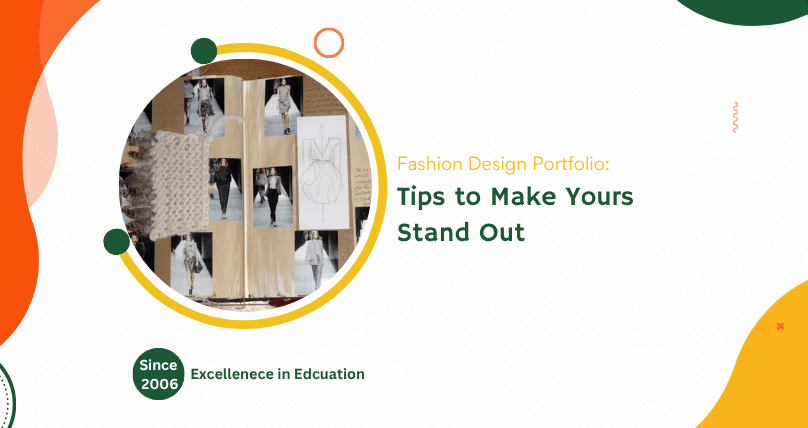
Fashion Design Portfolio: Tips to Make Yours Stand Out

Introduction

In the competitive world of fashion, a well-crafted portfolio is the key to unlocking opportunities. Whether you’re a student taking fashion designing courses in Ahmedabad or a professional looking to expand your career, your portfolio is your visual résumé. It showcases your creativity, skills, and potential to future clients or employers. But with so many portfolios out there, how do you make yours stand out?

Fashion Design Portfolio Tips to Make Yours Stand Out

In this guide, we’ll take you through essential tips for creating a fashion design portfolio that grabs attention and leaves a lasting impression. By the end of this article, you’ll have all the knowledge you need to showcase your talent and kickstart your career in fashion design.

What Should a Fashion Design Portfolio Include?

Your portfolio is a representation of your skills, creativity, and design philosophy. It should not only reflect your technical abilities but also showcase your unique style. Here’s what you need to include:

1. Introduction or Personal Statement

The introduction is your chance to briefly introduce yourself and explain your design philosophy. This could include your journey into fashion, your inspirations, and what makes your designs unique. A well-written personal statement can provide insight into your personality and vision as a designer.

2. Sketches and Illustrations

One of the most important elements of your portfolio is your sketches. These should be high-quality and show your ability to visualize ideas and translate them into clear designs. You can include different types of sketches, such as hand-drawn, digital, or mixed-media designs. Ensure that each sketch is detailed and showcases your creativity.

3. Technical Drawings (Tech Packs)

As you progress in your fashion design studies in Ahmedabad, you’ll learn about technical drawings, also known as tech packs. These are essential for understanding how designs can be practically executed. Include drawings that show your technical skills, like garment construction details, fabric choices, and measurements. This demonstrates your ability to take your creative designs to real-world applications.

4. Mood Boards and Inspirations

Mood boards are a great way to express the inspirations behind your designs. They give insight into your thought process, from color palettes to textures, and even cultural influences. Mood boards help your audience understand your creative vision and what drives your design aesthetics.

5. Finished Garments and Pieces

If you have created any finished garments or prototypes, be sure to include them in your portfolio. Photographs of actual pieces you’ve worked on or crafted demonstrate your ability to bring your ideas to life. Whether it’s a dress, jacket, or accessories, showing your work in its final form adds credibility to your portfolio.

How to Organize Your Portfolio for Maximum Impact

A portfolio isn’t just about showing your work—it’s about presenting it in the most engaging and organized way possible. Here’s how you can structure your portfolio for maximum impact:

1. Portfolio Layout and Structure

A clean and structured layout is key. Arrange your designs in a way that tells a story—start with a brief introduction, followed by your best sketches, technical drawings, mood boards, and finished pieces. Each section should flow seamlessly into the next. Avoid overcrowding your portfolio with too much content; instead, focus on your best work.

2. Choosing the Right Format (Physical vs. Digital)

In today’s digital age, a digital portfolio is the way to go. You can create an online portfolio on platforms like Behance, Adobe Portfolio, or even your own personal website. A digital portfolio is easy to share and can be accessed anywhere, making it more versatile.

However, for events like interviews or design school applications, a physical portfolio may still be relevant. Ensure that it is professionally bound and printed in high-quality paper with sharp images and clear design.

3. Presentation Quality

The quality of your images is critical. Make sure the photos are well-lit, high-resolution, and show your designs clearly. Whether you are photographing sketches, mood boards, or finished garments, ensure they look professional. Poor presentation can diminish the impact of your designs, so take time to capture the best shots.

Tips for Making Your Portfolio Unique and Memorable

A portfolio is your personal brand, so it’s important to make it memorable. Here are some tips to ensure yours stands out:

1. Showcase Your Unique Style

Your portfolio should reflect your design signature. Whether it’s minimalistic, bohemian, avant-garde, or traditional, make sure your personal style shines through. Avoid imitating others—let your designs speak for themselves and show what makes you different.

2. Quality Over Quantity

It’s better to showcase a few standout designs than to include everything you’ve ever made. Focus on your best work that truly reflects your abilities. A portfolio that is too crowded can overwhelm the viewer and make it harder for your best designs to stand out.

3. Include a Variety of Designs

While your portfolio should showcase your unique style, it’s also important to demonstrate versatility. Include designs that cover different styles, fabrics, and techniques to show you can adapt to various fashion needs. A well-rounded portfolio is more likely to attract a wide range of clients or employers.

4. Add a Personal Touch

Tell a story behind your designs. Whether it’s a piece inspired by your travels or a collection that represents your cultural heritage, adding a personal narrative makes your portfolio more relatable and memorable.

How to Tailor Your Portfolio for Different Audiences

Your portfolio should be adaptable depending on who you’re presenting it to. Here’s how you can tailor it for different audiences:

1. For College Applications

If you’re applying to a fashion design school, focus on showcasing your creativity and potential. Include a mix of sketches, mood boards, and technical drawings. Schools look for students who demonstrate passion, creativity, and technical knowledge.

2. For Job Interviews with Fashion Houses

When applying for jobs in fashion houses or companies, focus on showing your technical skills and your ability to meet industry standards. Include finished garments, tech packs, and any work you’ve done with clients or brands.

3. For Freelancers/Brand Collaboration Proposals

If you’re pitching to a brand or working as a freelancer, your portfolio should demonstrate how you can meet specific client needs. Include previous collaborations, custom designs, and pieces that show your ability to work on different projects.

Photography Tips for Fashion Portfolio

Photography is a crucial part of showcasing your designs. Here are some tips to ensure your fashion pieces are captured professionally:

1. Importance of High-Quality Photos

Invest time and effort into photographing your designs with high-quality equipment or hire a professional photographer. Crisp, clean images can make all the difference in presenting your work in the best possible light.

2. Lighting and Angles

Good lighting is essential for capturing the true colors and textures of your designs. Natural light is often the best, but if you’re shooting indoors, make sure your lighting setup highlights the details of the fabric and design. Experiment with different angles to show your garments from all perspectives.

3. Editing Photos for a Professional Look

After taking your photos, use editing tools to enhance them. Crop images to focus on key details, adjust brightness and contrast, and correct any imperfections. The goal is to make your designs look as professional as possible.

Common Mistakes to Avoid in a Fashion Design Portfolio

Even experienced designers can make mistakes in their portfolios. Avoid these common errors:

1. Overcrowding Your Portfolio

Don’t include every piece you’ve ever created. Be selective and only show your best work.

2. Lack of Consistency in Design Style

A portfolio with inconsistent design styles can confuse viewers. Keep your style consistent throughout, but don’t be afraid to show your versatility.

3. Poor Quality Photos

High-quality images are crucial. Avoid using blurry or poorly lit photos.

4. Not Tailoring Your Portfolio to Your Audience

Make sure your portfolio suits the audience you’re presenting it to—whether it’s a school, job, or client.

Conclusion

A fashion design portfolio is your ticket to a successful career in the fashion industry. By following these tips and focusing on your unique style, you can create a portfolio that truly stands out. Whether you’re looking to join a fashion school, apply for jobs, or start your brand, your portfolio will play a key role in showcasing your skills and talent.

So, take the time to craft a standout portfolio that reflects your passion and creativity. Ready to get started? If you’re looking to pursue fashion designing courses in Ahmedabad, now is the perfect time to start building your portfolio and shaping your future in the fashion industry.

5 Best Professional Career-Making Design Courses

Looking to start an exciting new creative career? With correct design training, you can gain the in-demand skills for great jobs doing what you love.

5 Best Professional Career-Making Design Courses

Career-making design courses at Kalapurnam Institute are a great way to learn the skills and knowledge you need to succeed in different fields. Our courses are taught by experienced professionals who can share their knowledge and expertise with you.

Why Are Design Courses Trending Among Career Seekers?

Creative Careers:

Design careers are growing fast. Many new creative jobs in graphics, fashion, architecture, and marketing. Taking a design course teaches skills needed for these careers.

Modern Skills:

Design software and tools are always improving. New-age employers want people with the latest design training. Design courses teach new programs and methods.

Stay Competitive:

Thousands of people want creative careers. Taking a design course helps you stand out. They help gain an advantage over others competing for jobs.

Build a Portfolio:

Design courses help you make projects and concepts. These go in your portfolio to show employers your skills.

5 Professional Career-Making Design Courses

1. Graphic Design Course

Graphic design courses encompass different creative disciplines that help students develop their creative skills. People with a creative knack for drawing or designing digital illustrations can opt for this course.

 Careers in Graphic design:

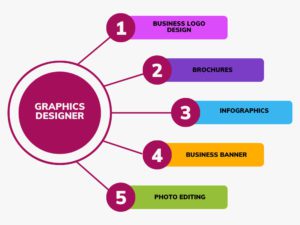
Graphic Design career
  • Logo Designer
  • Product Designer
  • Creative Director
  • Communication Designer
  • Packaging Designer
  • Graphic Designer
  • Vector Designer

2. Interior Design Course

Interior design course helps learn the art and science of enhancing the interior of a building to achieve a healthier and more aesthetically pleasing environment.

Careers in Interior design:

Interior Design Institute

Interior Design Institute

  • Pre-production
  • Interior Designer
  • Home Decor Artist and Consultant
  • Color Consultant
  • Interior Walkthrough Artist
  • Vastu Consultant

3. Fashion Design Course

Fashion design is the art of creating clothing and accessories. Fashion designers work in different settings, including design houses, textile mills, and retail stores.

Careers in Fashion Designing:

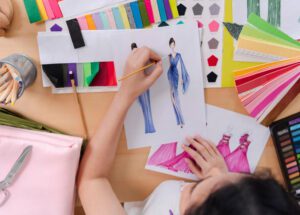
Fashion Design Course Institute

Fashion Design Course Institute

  • Freelance fashion designer
  • Fashion Stylist
  • Textile Designer
  • Fashion Trend Analyst
  • Assistant Designer
  • Full-time fashion designer
  • Fashion Blogger

4. Architecture Design Course

Architecture Design Course Institute

The architecture design course helps you learn the process of planning, designing, and constructing establishments and other structures. 

Careers in Architecture:

Architecture Design Course Institute

  • Urban Planner
  • Restoration Architect Designer
  • Landscape Designer
  • Furniture Designer
  • Architectural Walkthrough Artist

5. Digital Marketing and Branding Course

Digital Marketing Course Institute

Digital marketing and branding courses help you learn how to use digital channels to promote and brand products or services.

Careers in Digital Marketing:

  • Digital marketing manager/ consultant
  • Digital sales executive
  • SEO Specialist
  • Social Media Marketing expert
  • Content marketing executive

Benefits of Taking Design Courses At Kalapurnam Institute:

  • Learn from experienced professionals and gain the skills and knowledge you need to succeed in your chosen field.
  • Develop your creativity and problem-solving skills.
  • Build a portfolio of work that you can use to showcase your skills to potential employers or clients.
  • Network with other professionals in your field.
  • Gain a competitive advantage in the job market.

Who Should Do Design Courses?

Design courses are a great way to learn the skills and knowledge necessary to pursue a successful career in various fields. If you are creative, have an eye for detail, and are interested in solving problems, then a design course may be right for you.

People who should consider taking design courses include:

Artists and creative individuals –

People who want to learn how to use their skills to create appealing and functional products, and services.

Business professionals – 

People who want to learn how to use design principles to create effective marketing and branding campaigns.

Technologists –

People who want to learn how to design user-friendly interfaces for software and hardware products.

Entrepreneurs 

People who want to learn how to design products and services that meet the needs of their target market.

Students –

Students, especially those who have passed out from 10th or 12th grade should opt for design courses. These courses can help them learn skills that are detrimental to building successful careers. They will be able to learn from an early age all the design skills needed for a strong career portfolio.

Why Take Design Courses at Kalapurnam Institute?

Design courses at our institute are a great way to learn skills. Here are the following reasons why you should opt for our design courses:

  • Learn from expert teachers: 

Our design courses are taught by experienced professionals who have worked in the industry for many years. They can share their knowledge and expertise with you, and help you develop the skills and knowledge you need to succeed in your chosen field.

  • Gain the skills and knowledge you need to succeed: 

Our design courses teach you the skills and knowledge you need to succeed in various design fields. Whether you’re interested in graphic design, interior design, fashion design, or architecture design, we have a course that’s right for you.

  • Develop your creativity and problem-solving skills: 

Design courses help you develop your creativity and problem-solving skills which are essential for success in any field. You’ll learn how to think outside the box and come up with creative solutions to problems.

  • Placement opportunities: 

We have a strong track record of placing students in successful careers. We work with many leading companies in the design industry to place our graduates in jobs that match their skills and interests.

Join Kalapurnam Institute For The Best Design Courses

Take design courses at our institute. The teachers at Kalapurnam Institute are experts who work in their field. They know the latest skills and tools to teach you. Our design courses are affordable compared to other institutes. We help students find jobs after finishing. Launch your creative career with our design training. These courses give real-world skills to succeed.

KalaPurnam Institute - Professional courses in ahmedabade
Whatsapp Icon