

Introduction
In the competitive world of fashion, a well-crafted portfolio is the key to unlocking opportunities. Whether you’re a student taking fashion designing courses in Ahmedabad or a professional looking to expand your career, your portfolio is your visual résumé. It showcases your creativity, skills, and potential to future clients or employers. But with so many portfolios out there, how do you make yours stand out?
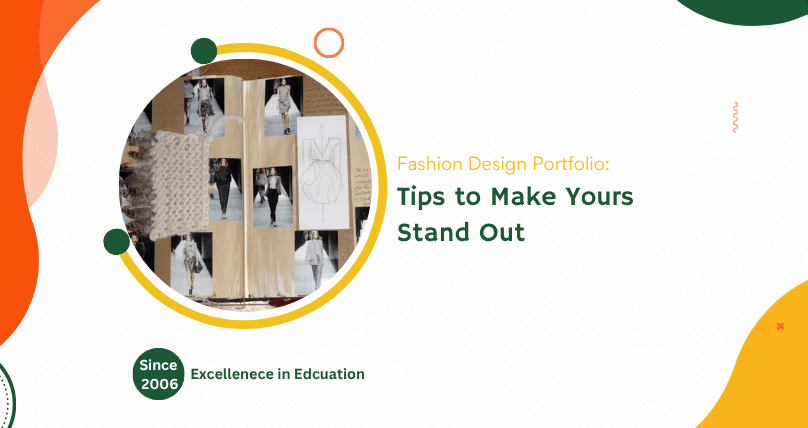
In this guide, we’ll take you through essential tips for creating a fashion design portfolio that grabs attention and leaves a lasting impression. By the end of this article, you’ll have all the knowledge you need to showcase your talent and kickstart your career in fashion design.
What Should a Fashion Design Portfolio Include?
Your portfolio is a representation of your skills, creativity, and design philosophy. It should not only reflect your technical abilities but also showcase your unique style. Here’s what you need to include:
1. Introduction or Personal Statement
The introduction is your chance to briefly introduce yourself and explain your design philosophy. This could include your journey into fashion, your inspirations, and what makes your designs unique. A well-written personal statement can provide insight into your personality and vision as a designer.
2. Sketches and Illustrations
One of the most important elements of your portfolio is your sketches. These should be high-quality and show your ability to visualize ideas and translate them into clear designs. You can include different types of sketches, such as hand-drawn, digital, or mixed-media designs. Ensure that each sketch is detailed and showcases your creativity.
3. Technical Drawings (Tech Packs)
As you progress in your fashion design studies in Ahmedabad, you’ll learn about technical drawings, also known as tech packs. These are essential for understanding how designs can be practically executed. Include drawings that show your technical skills, like garment construction details, fabric choices, and measurements. This demonstrates your ability to take your creative designs to real-world applications.
4. Mood Boards and Inspirations
Mood boards are a great way to express the inspirations behind your designs. They give insight into your thought process, from color palettes to textures, and even cultural influences. Mood boards help your audience understand your creative vision and what drives your design aesthetics.
5. Finished Garments and Pieces
If you have created any finished garments or prototypes, be sure to include them in your portfolio. Photographs of actual pieces you’ve worked on or crafted demonstrate your ability to bring your ideas to life. Whether it’s a dress, jacket, or accessories, showing your work in its final form adds credibility to your portfolio.
How to Organize Your Portfolio for Maximum Impact
A portfolio isn’t just about showing your work—it’s about presenting it in the most engaging and organized way possible. Here’s how you can structure your portfolio for maximum impact:
1. Portfolio Layout and Structure
A clean and structured layout is key. Arrange your designs in a way that tells a story—start with a brief introduction, followed by your best sketches, technical drawings, mood boards, and finished pieces. Each section should flow seamlessly into the next. Avoid overcrowding your portfolio with too much content; instead, focus on your best work.
2. Choosing the Right Format (Physical vs. Digital)
In today’s digital age, a digital portfolio is the way to go. You can create an online portfolio on platforms like Behance, Adobe Portfolio, or even your own personal website. A digital portfolio is easy to share and can be accessed anywhere, making it more versatile.
However, for events like interviews or design school applications, a physical portfolio may still be relevant. Ensure that it is professionally bound and printed in high-quality paper with sharp images and clear design.
3. Presentation Quality
The quality of your images is critical. Make sure the photos are well-lit, high-resolution, and show your designs clearly. Whether you are photographing sketches, mood boards, or finished garments, ensure they look professional. Poor presentation can diminish the impact of your designs, so take time to capture the best shots.
Tips for Making Your Portfolio Unique and Memorable
A portfolio is your personal brand, so it’s important to make it memorable. Here are some tips to ensure yours stands out:
1. Showcase Your Unique Style
Your portfolio should reflect your design signature. Whether it’s minimalistic, bohemian, avant-garde, or traditional, make sure your personal style shines through. Avoid imitating others—let your designs speak for themselves and show what makes you different.
2. Quality Over Quantity
It’s better to showcase a few standout designs than to include everything you’ve ever made. Focus on your best work that truly reflects your abilities. A portfolio that is too crowded can overwhelm the viewer and make it harder for your best designs to stand out.
3. Include a Variety of Designs
While your portfolio should showcase your unique style, it’s also important to demonstrate versatility. Include designs that cover different styles, fabrics, and techniques to show you can adapt to various fashion needs. A well-rounded portfolio is more likely to attract a wide range of clients or employers.
4. Add a Personal Touch
Tell a story behind your designs. Whether it’s a piece inspired by your travels or a collection that represents your cultural heritage, adding a personal narrative makes your portfolio more relatable and memorable.
How to Tailor Your Portfolio for Different Audiences
Your portfolio should be adaptable depending on who you’re presenting it to. Here’s how you can tailor it for different audiences:
1. For College Applications
If you’re applying to a fashion design school, focus on showcasing your creativity and potential. Include a mix of sketches, mood boards, and technical drawings. Schools look for students who demonstrate passion, creativity, and technical knowledge.
2. For Job Interviews with Fashion Houses
When applying for jobs in fashion houses or companies, focus on showing your technical skills and your ability to meet industry standards. Include finished garments, tech packs, and any work you’ve done with clients or brands.
3. For Freelancers/Brand Collaboration Proposals
If you’re pitching to a brand or working as a freelancer, your portfolio should demonstrate how you can meet specific client needs. Include previous collaborations, custom designs, and pieces that show your ability to work on different projects.
Photography Tips for Fashion Portfolio
Photography is a crucial part of showcasing your designs. Here are some tips to ensure your fashion pieces are captured professionally:
1. Importance of High-Quality Photos
Invest time and effort into photographing your designs with high-quality equipment or hire a professional photographer. Crisp, clean images can make all the difference in presenting your work in the best possible light.
2. Lighting and Angles
Good lighting is essential for capturing the true colors and textures of your designs. Natural light is often the best, but if you’re shooting indoors, make sure your lighting setup highlights the details of the fabric and design. Experiment with different angles to show your garments from all perspectives.
3. Editing Photos for a Professional Look
After taking your photos, use editing tools to enhance them. Crop images to focus on key details, adjust brightness and contrast, and correct any imperfections. The goal is to make your designs look as professional as possible.
Common Mistakes to Avoid in a Fashion Design Portfolio
Even experienced designers can make mistakes in their portfolios. Avoid these common errors:
1. Overcrowding Your Portfolio
Don’t include every piece you’ve ever created. Be selective and only show your best work.
2. Lack of Consistency in Design Style
A portfolio with inconsistent design styles can confuse viewers. Keep your style consistent throughout, but don’t be afraid to show your versatility.
3. Poor Quality Photos
High-quality images are crucial. Avoid using blurry or poorly lit photos.
4. Not Tailoring Your Portfolio to Your Audience
Make sure your portfolio suits the audience you’re presenting it to—whether it’s a school, job, or client.
Conclusion
A fashion design portfolio is your ticket to a successful career in the fashion industry. By following these tips and focusing on your unique style, you can create a portfolio that truly stands out. Whether you’re looking to join a fashion school, apply for jobs, or start your brand, your portfolio will play a key role in showcasing your skills and talent.
So, take the time to craft a standout portfolio that reflects your passion and creativity. Ready to get started? If you’re looking to pursue fashion designing courses in Ahmedabad, now is the perfect time to start building your portfolio and shaping your future in the fashion industry.

