
Animation is no longer just a niche skill—it’s a booming career choice in India. With the rise of OTT platforms, digital marketing, gaming, and ad films, the demand for skilled animators is growing exponentially. But completing an animation course is only the first step. To truly succeed, many aspiring animators are choosing the freelance route, which offers flexibility, creative freedom, and the potential to work with clients across India and abroad.
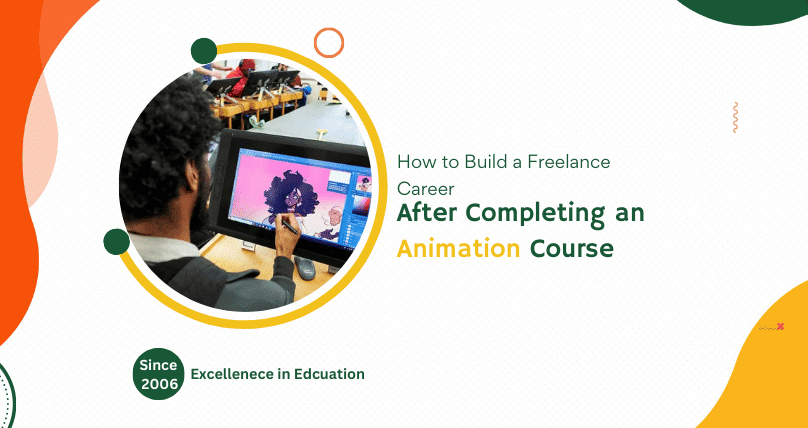
At Kalapurnam Institute, one of the best animation courses in Ahmedabad, we guide our students not only in mastering animation techniques but also in building a successful freelance career. Here’s a complete roadmap to help you get started.
Understanding the Freelance Animation Industry
Freelance animation in India is on the rise. According to recent industry reports, the Indian animation, VFX, and gaming sector is expected to reach $5.2 billion by 2027, with freelance projects contributing a significant chunk.
Opportunities for Fresh Graduates
- Short films and ads
- Explainer videos for startups and corporates
- Game animation for mobile and web platforms
Income Potential
Freelancers in India can earn anywhere from ₹15,000 to ₹1,00,000 per project depending on experience, complexity, and client type.
Tip: Freelancing is not just a side gig—it can become a full-time, profitable career if approached strategically.
Skills You Need Beyond Animation
To thrive as a freelancer, you need more than just animation skills.
Technical Skills
- 2D and 3D animation
- Motion graphics and VFX basics
- Storyboarding and concept art
Soft Skills
- Effective communication with clients
- Time management and meeting deadlines
- Negotiation and client relationship management
Portfolio & Demo Reel
A strong portfolio is your ticket to landing clients. Showcase your best projects, highlight different animation styles, and make sure your demo reel is concise (1–2 minutes) and impactful.
Building a Strong Portfolio
Your portfolio is your personal brand. Here’s how to make it stand out:
Creating a Demo Reel
- Include your best work in chronological order
- Highlight diverse animation styles and techniques
- Keep it short, engaging, and professional
Online Portfolio Platforms
- Behance
- ArtStation
- Personal website
Pro Tip: Indian clients often check portfolios on Behance or LinkedIn before hiring. Make sure your work is easily accessible online.
Finding Freelance Animation Work
Landing your first client can be challenging, but these strategies can help:
Freelance Marketplaces
- Upwork, Fiverr, Freelancer, Toptal
- Look for animation-specific projects and build your ratings
Networking
- Connect with studios, digital agencies, and content creators
- Attend animation events and webinars
- Join Facebook and WhatsApp groups dedicated to animation jobs in India
Direct Clients
- Pitch your services to startups, ad agencies, and educational content creators
- Offer small sample projects to showcase your skills
Stat: Over 60% of Indian freelance animators find their first client through online platforms like Upwork or personal networking.
Pricing Your Work
Understanding how to price your work is crucial.
Industry Rates in India
- Beginners: ₹15,000–₹25,000 per short project
- Experienced freelancers: ₹50,000–₹1,00,000+ depending on complexity
Tips
- Decide between hourly vs. project-based pricing
- Always consider time, effort, and software costs
- Don’t undervalue your work; quality deserves fair compensation
Managing Freelance Projects
Efficiency is key to maintaining a sustainable freelance career.
Time Management
- Break projects into milestones
- Set realistic deadlines and stick to them
Project Tracking Tools
- Trello, Asana, Notion for task management
- Google Drive or Dropbox for file sharing
Client Communication
- Keep clients updated regularly
- Be open to feedback, but maintain creative boundaries
Marketing Yourself as a Freelancer
Your skills are valuable, but clients need to find you.
Personal Branding
- Design a logo or signature style
- Create a professional website
- Keep social media profiles updated with your work
Content Marketing
- Share time-lapse videos of your animation
- Post tutorials or behind-the-scenes clips on Instagram, YouTube, or LinkedIn
Testimonials and Referrals
- Ask satisfied clients for reviews
- Encourage referrals to expand your network
Tip: A visible and active online presence increases your chances of landing international clients.
Upskilling & Continuous Learning
Animation is constantly evolving. To stay relevant:
- Learn advanced 3D animation, VFX, and motion graphics
- Master software like Maya, Blender, After Effects, Cinema 4D
- Attend workshops, webinars, and online courses
Fact: Freelancers who update their skills annually often charge 20–30% higher rates than those relying only on basic skills.
Challenges and How to Overcome Them
Irregular Income
- Maintain a savings buffer
- Diversify clients to avoid dependency on one source
Competition
- Focus on niche skills or unique animation styles
- Build a standout portfolio to attract premium clients
Motivation
- Set weekly goals and reward yourself for achieving milestones
- Join communities of animators for support and inspiration
Success Stories & Inspiration
Many Indian freelancers started small and are now working with global clients. Names like Vaibhav Kumaresh (2D animator) and studios like Studio Animations India show that consistent effort, a strong portfolio, and networking can lead to international opportunities.
FAQs
- Can I start freelancing immediately after completing an animation course?
Yes! With a strong portfolio and basic software skills, you can take on small projects while gaining experience. - Which animation software should I master first?
Adobe After Effects, Adobe Illustrator, Blender, and Maya are commonly used in India. - How much can a beginner freelance animator earn in India?
Beginners typically earn ₹15,000–₹25,000 per project, increasing with experience and skill level. - Is it better to join a studio first or freelance directly?
Both options work. Joining a studio provides experience and networking, while freelancing offers flexibility and varied projects. - How to get international clients while freelancing from India?
Use global platforms like Upwork and Fiverr, showcase your portfolio online, and maintain professional communication standards.
Conclusion
Building a freelance career after completing an animation course in India is completely achievable with the right strategy. Focus on creating a standout portfolio, mastering industry-standard software, networking, and marketing your skills effectively. With dedication and consistency, freelancing can offer you creative freedom, financial independence, and exciting opportunities globally.
At Kalapurnam Institute, our best animation courses in Ahmedabad prepare students not just for jobs but for a thriving freelance career, providing hands-on experience, mentorship, and industry insights. Start your journey today and transform your passion into a rewarding freelance career!