Curious about Course?    Get Free Demo Class Now

Category: animation career

Signs You Should Specialise in VFX or 3D Animation After Your Course

Choosing between VFX or 3D Animation can be confusing for many students after completing their basic training. Both fields are exciting, creative, and full of career opportunities — but each demands a different mindset and skill set.
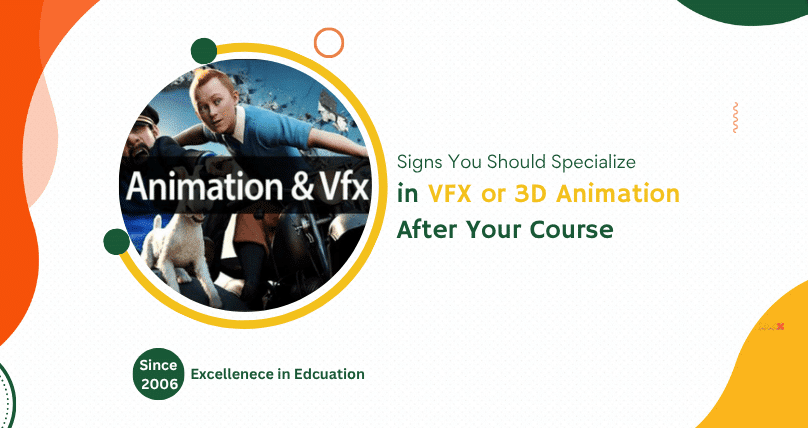
Signs You Should Specialize in VFX or 3D Animation After Your Course

If you’re wondering which path is right for you, don’t worry — you’re not alone! At Kalapurnam Institute, one of India’s most trusted names for VFX and animation courses, we help students identify their strengths and passion before choosing their specialization.

Here’s a friendly breakdown to help you figure out which creative road you should take — VFX or 3D Animation.

Understanding the Difference Between VFX and 3D Animation

Before you decide, it’s important to know what each specialization actually means.

  • VFX (Visual Effects): It’s all about creating realistic effects that can’t be captured by a camera — think explosions, lightning, or a superhero flying through the sky. VFX combines live-action footage with computer-generated imagery (CGI) to create magic on screen.

  • 3D Animation: This focuses on bringing characters, environments, and objects to life using movement. From Pixar-style animated films to 3D games — this is where your imagination becomes reality.

In short, VFX adds realism to real-world scenes, while 3D Animation builds entire worlds from scratch.

The Growing Career Opportunities in India

India’s animation and VFX industry is growing rapidly. According to a 2024 FICCI-EY report, the Indian AVGC (Animation, Visual Effects, Gaming, and Comics) sector is projected to grow by 20–25% annually, driven by OTT platforms, films, and gaming.

Industries Hiring Specialists:

  • Films and TV

  • OTT platforms (Netflix, Amazon Prime Video, Disney+ Hotstar)

  • Advertising and marketing agencies

  • Gaming and AR/VR development

  • Architecture and product visualization

Fun Fact: India is now a global VFX outsourcing hub, with studios like DNEG, Prime Focus, and Red Chillies Entertainment working on Hollywood and Bollywood projects.

Signs You Should Specialise in VFX

If you’re someone who loves mixing creativity with technology, VFX might be your calling.

1. You Love Realism & Special Effects

Do you get fascinated by explosions, destruction scenes, or supernatural powers in movies like RRR, Baahubali, or Avengers? That’s a clear sign that you love the magic of visual effects.

2. You Pay Attention to Details

VFX requires precision. You’ll often need to blend multiple layers, match lighting, or adjust shadows until they look seamless.

3. You Enjoy Problem-Solving

VFX is not just art — it’s technical problem-solving. From tracking shots to rendering simulations, every frame is a puzzle waiting to be solved.

4. You’re Comfortable with Complex Software

If you enjoy experimenting with tools like After Effects, Nuke, Houdini, or PFTrack, then VFX could be the perfect fit.

Signs You Should Specialise in 3D Animation

If storytelling, imagination, and character emotions excite you — animation might be your playground.

1. You Love Storytelling

3D animators are storytellers at heart. You’ll bring characters to life — just like in movies from Pixar or DreamWorks.

2. You Enjoy Creativity & Movement

If you love sketching, creating imaginary worlds, or expressing emotions through motion — you’ll thrive in 3D animation.

3. You’re Inspired by Animated Films or Games

Movies like Toy Story, Frozen, or Indian creations like Chhota Bheem or Hanuman Returns show the vast potential of 3D animation.

4. You’re More Artistic Than Technical

If you prefer design, movement, and expressions over coding or technical effects — animation is your ideal career choice.

Skills Required for Each Specialisation

For VFX Specialists:

  • Technical: Compositing, rotoscoping, motion tracking, simulation

  • Software: Nuke, After Effects, Houdini, Maya, Blender

  • Other Skills: Camera angles, lighting, and attention to detail

For 3D Animators:

  • Creative: Character design, rigging, timing, storyboarding

  • Software: Autodesk Maya, Blender, Cinema 4D

  • Other Skills: Understanding body mechanics and visual storytelling

Stat Alert: Skilled VFX and animation professionals in India can earn anywhere from ₹4–10 lakh per year, depending on specialization and experience.

How Specialisation Boosts Your Career

Choosing a specialization gives you:

  • A Clear Direction: You’ll focus your learning on one area instead of trying to master everything.

  • Better Job Opportunities: Studios prefer specialists for complex projects.

  • Higher Earning Potential: Niche skills lead to better pay.

  • Global Exposure: Many Indian artists now work on international productions remotely.

Top Industries Hiring VFX & 3D Animation Specialists

  1. Film & Television: From Bollywood epics to Netflix web series

  2. Gaming Studios: Creating immersive 3D experiences

  3. Advertising: Product animations and motion graphics

  4. Architecture: 3D walkthroughs and visualizations

  5. Education & Healthcare: Training and simulation videos

According to Nasscom, over 20,000 new jobs are expected in India’s VFX and animation sector by 2026.

How to Decide Which Path Is Right for You

Still unsure? Here’s a quick checklist:

  • Do you enjoy creative storytelling → Choose 3D Animation

  • Do you enjoy realism and visual effects → Go for VFX

  • Are you more technical → Choose VFX

  • Are you more artistic → Choose 3D Animation

You can also talk to mentors at Kalapurnam Institute. Our counsellors guide every student based on their creative strengths, career goals, and learning style.

Why Choose Kalapurnam Institute for VFX and Animation Course

  • Industry-Centric Curriculum: Designed by professionals working in film and gaming studios.

  • Expert Mentorship: Learn directly from experienced VFX artists and animators.

  • Hands-On Projects: Work on real-world short films, ad projects, and 3D scenes.

  • Placement Support: Strong network with top production houses and studios across India.

At Kalapurnam Institute, our VFX or 3D Animation course gives you the perfect mix of creativity, technical knowledge, and confidence to succeed in the entertainment industry.

FAQs

  • Can I specialise in both VFX and 3D animation?
    Yes, but it’s better to master one before expanding. Many professionals later learn both for versatility.
  • How long does it take to specialise after a basic course?
    Typically, 6–12 months of focused learning after your foundation course is enough to gain specialization-level skills.
  • Which has better scope — VFX or 3D animation?
    Both have strong demand. VFX dominates films and OTT, while animation has a growing presence in gaming and advertising.
  • Do I need a strong artistic background?
    Not necessarily! A sense of creativity, observation, and willingness to learn is what matters most.
  • What is the average starting salary after a VFX or 3D Animation course?
    Freshers earn between ₹20,000–₹35,000 per month, increasing with experience and specialization.

Conclusion

Choosing between VFX and 3D animation is not about which is better — it’s about which one matches your passion and personality. If you love solving visual challenges and adding realism, go for VFX. If storytelling and creative animation excite you, 3D animation is your playground.

At Kalapurnam Institute, our VFX or 3D Animation course helps you explore both fields before specializing. With practical training, expert guidance, and real-world projects, we help you turn your passion into a successful creative career.

Ready to find your specialisation?
Join Kalapurnam Institute today and start shaping your future in India’s thriving entertainment and gaming industry!
Importance of Networking in the VFX Industry After Course Completion

Completing a VFX course in Ahmedabad is a great achievement, as you have developed your skills, gotten familiar with the tools, and gotten some impressive projects to show for it. But having the skills alone won’t open doors for your successful career. 

Importance of Networking in the VFX Industry After Course Completion

In the VFX world, sometimes it is as important to know people as to know the VFX. Networking efficiently after the VFX course can change the future perspectives of your career, help you get your first job, and form a professional path that lasts. 

Here we will tell you the reasons why networking is vital in the VFX industry and how to perform it well.

Why Networking Matters in VFX

  1. Finding Opportunities & Getting Referred

Most VFX jobs are not advertised; they are filled through word-of-mouth, recommendations, or internal referrals. If you know people in studios or among freelancers, you’re more likely to be the first to know about the new positions.

“Networking is just making friends. Try to find the people who are doing what you dream of.”

  1. Presence & Recognition

Posting your work, receiving comments, or taking part in a community project makes you an active person, not one who is waiting. The name and the way you draw should be remembered by fellow artists and professionals. When the chance comes, they will think of you easily.

As mentioned by the creative industries, networking gives your name a face, and it is easier to get hired. 

  1. Learning Quickly & Staying Updated with Trends

VFX is a field with very fast changes. Your circle will warn you about new tools, techniques, industry shifts, or pipeline innovations beforehand. Discussions with your peers and mentors will quickly give you the solution to your problem and keep you updated.

  1. Emotional & Professional Support

The nature of VFX work can be demanding, and on occasion, it can be a lonely affair. But the presence of a good network acts as a refuge and offers a wide range of benefits, such as constructive critique, encouragement, collaboration, or just sounding boards for ideas. Creative networks are often appreciated for this “safety net” function.

  1. Collaboration & Shared Projects

A lot of VFX artists do not work alone. You will get a chance to work together on a variety of projects like short films, indie games, showreels, or community engagement. These joint efforts update your portfolio and also increase your network besides often leading to paid work.

How to Network Smartly After Your VFX Course

Here are some practical measures that you can implement immediately:

  • Create a Portfolio and Online Presence

Your work is your business card. It should be displayed prominently on sites such as ArtStation, Behance, or your own. Make sure to include your best shots with breakdowns and technical information. Always provide your contact information and links to your social media accounts.

Those who meet you at events or through online channels should be able to navigate through and appraise your work instantly.

  • Join & Contribute to Online VFX Communities

Join in on the discussions in CGSociety, Reddit’s r/vfx, Discord servers, or VFX groups on Facebook/LinkedIn. Pose questions, present your work (even if it is in a rough state), and make comments on others’ posts. Gradually, people start getting familiar with your name and your aesthetic.

Moreover, opportunities like ACCESS: VFX are offering online speed networking events connecting artists with seniors.

  • Participate in Events, Workshops & Conferences

You can even discover VFX meetups or creative technology events in Ahmedabad through Meetup—there are approximately 36,182 members in VFX groups worldwide. 

During these events, prepare a concise introduction (“elevator pitch”) about your interests, take your portfolio (digital or print), and continue the conversation with the people you meet.

  • Connect with Mentors & Established Artists

The first step is to look for VFX artists you admire and whose work you appreciate. Start following them on social media, commenting on their posts, and eventually sending them brief messages asking for critiques or calling for a short chat. 

Most of the time, they are willing to guide or provide tips, which is more likely for the new artists. 

  • Volunteer, Intern, or Assist Small Projects

You must consider unpaid or small roles as your first step into the industry after doing your VFX course in Ahmedabad or anywhere in India. Work as an intern for nearby studios or be a part of film production for the independent companies. Your ability to be present, your readiness to work hard, and your professionalism will create an impact. People will keep you in mind. 

  • Be Professional, Consistent & Respectful

The process of networking is long-term. Be present, avoid spamming, and do follow-ups. Besides, do not just take from others; do offer help, share your resources, and provide feedback to them. Keep communication respectful, and do not burn bridges. The networking literature in creative fields gives importance to mutual benefit and consistency.

Common Pitfalls & How to Avoid Them

  • Presence inconsistency: After attending the first event, don’t just stop there. Keep your online and offline presence strong. 
  • Not following up: When a new person shows up, send a message referencing your meeting, followed by a link to your work or a useful resource. 
  • Overlooking smaller communities: Local or regional occasions may bring in fewer participants, but the bonds created would be stronger. Do not limit yourself to big events only. 
  • Getting too focused on the “getting”: Consider networking as building relationships, not just getting a job right away.

In Summary

The moment you complete your VFX course in Ahmedabad, the importance of networking as a powerful tool set becomes clear. It gives you access to hidden job flows, speeds up your learning, helps in the creation of your name “in the industry” credibility, and serves as a support system in this demanding industry. 

Opening or closing of the door depends on Talent, but sustaining the journey depends on Relationships.

If you’re still on the first step and finding a perfect VFX course, join Kalapurnam Institute. We train our students to excel technically and provide them with the soft skills for building their careers. We encourage you to share your work, join communities, and contact artists, as the right connection might just turn your dream project into reality.

The value of your network is the value of your net worth in VFX. So, start weaving it today with Kalapurnam Institute by your side.

When Should You Move to Advanced VFX Specializations?

Visual Effects (VFX) is no longer just a fancy add-on in movies. From Bollywood blockbusters to OTT shows and even video games, VFX has become a critical part of storytelling. And if you’re someone taking the best VFX course in Ahmedabad, you might be wondering – when is the right time to move from basic VFX skills to advanced specializations?

When Should You Move to Advanced VFX Specializations

In this guide, we’ll break it down for you in simple, practical terms. By the end, you’ll know exactly how to plan your VFX journey, what advanced specializations offer, and how they can boost your career in India’s rapidly growing VFX industry.

Understanding Basic vs. Advanced VFX Skills

Before jumping into advanced VFX, it’s important to understand the difference between basic and advanced skills.

Core VFX Skills

At the start, every VFX artist learns the basics:

  • Compositing & Rotoscoping: Merging different shots seamlessly.

  • Motion Tracking: Tracking objects or cameras in a scene.

  • 3D Basics: Simple modeling, texturing, and lighting.

Mastering these skills ensures you have a strong foundation for more complex tasks.

Advanced VFX Skills

Advanced VFX specializations dive deeper into creative and technical challenges:

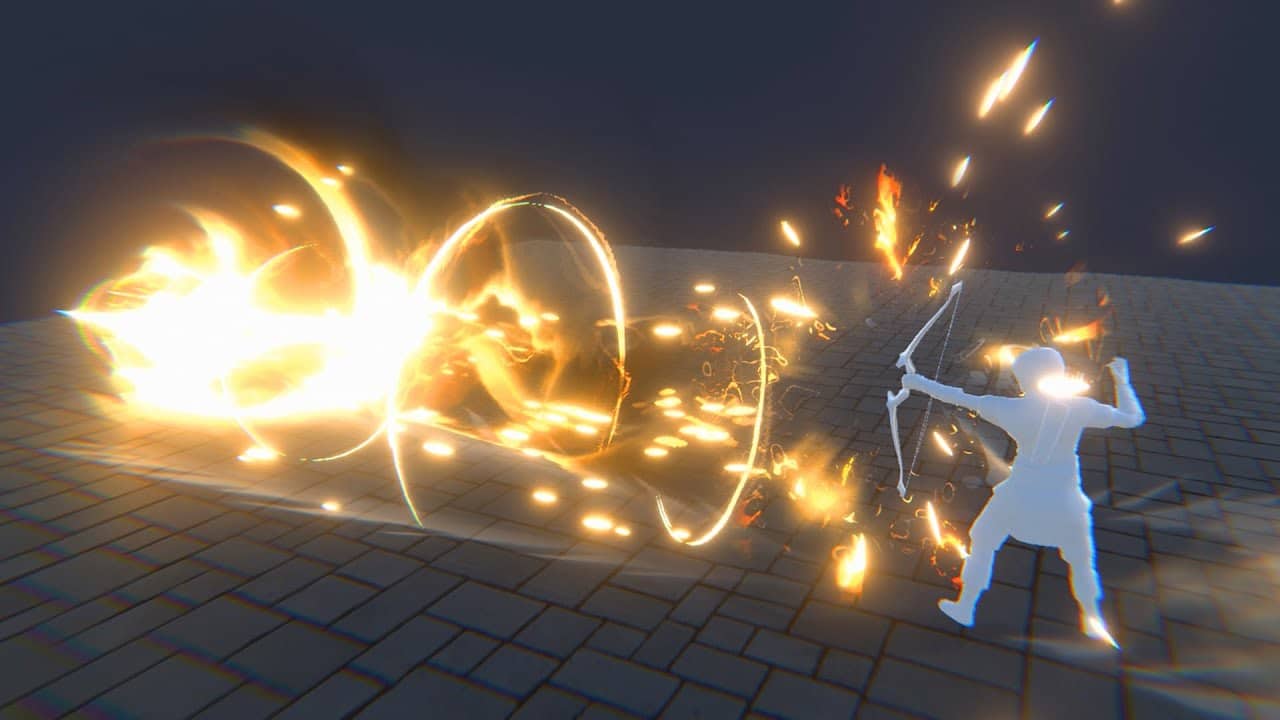
  • Simulation & Dynamics: Realistic fire, water, smoke, and particle effects.

  • Advanced 3D Modeling: High-resolution models and photorealistic textures.

  • Lighting & Rendering: Creating lifelike scenes for movies and ads.

  • Character Animation & Rigging: Making digital characters move convincingly.

Think of basics as learning to walk, and advanced VFX as running marathons in the digital world. You need that strong foundation to succeed.

Signs You’re Ready for Advanced VFX Specializations

So, how do you know you’re ready to take the next step? Here are some clear signs:

1. Strong Understanding of Software Tools

If you’re confident with tools like Nuke, Maya, Houdini, and After Effects, you’re already halfway there. Advanced VFX requires deep expertise in software to handle complex projects.

2. Consistent Portfolio Work

A portfolio filled with varied and polished projects shows you can handle professional work. If your projects demonstrate creativity and technical skill, it’s time to specialize.

3. Ability to Handle Complex Projects

Are you comfortable with multi-layered shots, particle effects, and photorealistic renders? Advanced VFX often involves managing intricate projects, so readiness is key.

4. Confidence in Problem-Solving

Software glitches, long render times, and troubleshooting are part of the job. If you can tackle these issues independently, it’s a good sign you’re ready for specialization.

Popular Advanced VFX Specializations

Advanced VFX opens a world of possibilities. Here are some popular areas you can focus on:

1. 3D Modeling & Texturing

High-quality models and realistic textures are essential for cinematic visuals. Advanced modeling skills can make your work stand out in films and ads.

2. Compositing & Motion Graphics

This involves combining multiple elements seamlessly and creating eye-catching visual effects. It’s vital for advertising, films, and digital media.

3. Simulation & Dynamics

Creating realistic explosions, fire, water, and smoke requires specialized knowledge. This field is in high demand in the film and gaming industry.

4. Character Animation & Rigging

Animating lifelike characters requires advanced rigging techniques and animation skills. Games, films, and commercials rely heavily on this specialization.

5. Lighting & Rendering

Proper lighting and rendering bring scenes to life. Advanced skills in this area help you achieve photorealistic results that wow clients and directors.

Factors to Consider Before Choosing an Advanced Specialization

Before diving in, think about these factors:

1. Industry Demand & Opportunities

The VFX industry in India is booming. With projects for Bollywood, OTT platforms, gaming, and advertisements, specialized skills are in high demand.

2. Time Investment

Advanced courses require significant time and practice. From learning complex software to mastering simulations, expect a steep but rewarding learning curve.

3. Software Proficiency

Choose specializations aligned with your software strengths. For example, Houdini is excellent for simulations, while Maya works well for modeling and animation.

4. Career Goals

Decide whether you want to work in a studio, freelance, or focus on creative storytelling versus technical execution. Your goals will guide your specialization choice.

How Advanced VFX Specializations Impact Your Career

Better Job Roles & Titles

Specialization opens doors to higher roles like Senior VFX Artist, VFX Supervisor, or Lead Compositor.

Higher Earning Potential

Advanced skills are in demand, and studios are willing to pay more for experts. Salaries can range from ₹4 lakh to ₹15 lakh per year, depending on experience and expertise in India.

Creative Freedom

Advanced VFX allows you to work on high-end films, ad campaigns, and AAA games, giving you the ability to shape visual stories.

Industry Recognition

Specialized work often gets credited in movies and projects, which builds your reputation and brand as a VFX professional.

How to Prepare for Advanced VFX Courses

1. Practice & Master Basics

Even if you’re confident, daily practice in compositing, modeling, and animation is essential.

2. Build a Strong Portfolio

Include simple and complex projects to show versatility and creativity.

3. Seek Mentorship

Guidance from senior VFX professionals can help you avoid common mistakes and learn industry tricks.

4. Stay Updated with Industry Trends

VFX is constantly evolving. Follow the latest software updates, pipelines, and trending effects.

Common Challenges in Advanced VFX Specializations

  • Steep Learning Curve: Mastering advanced software and techniques can be challenging.

  • Time Management: Long render times and multiple iterations can test your patience.

  • Technical Glitches: Crashes and troubleshooting are inevitable.

  • Competition: Standing out requires both skill and creativity in a highly skilled talent pool.

Conclusion

Moving to advanced VFX specializations is a smart career move if you have the skills, passion, and readiness to tackle complex projects. By choosing the right specialization, building a strong portfolio, and staying updated with industry trends, you can open doors to high-paying roles and creative freedom in India’s booming VFX industry.

If you’re looking to take the next step, Kalapurnam Institute offers the best VFX course in Ahmedabad, designed to transform beginners into industry-ready advanced VFX professionals. Start your journey today and be the creative force behind India’s next blockbuster visual effects!

FAQs

  1. How long does it take to move from basic to advanced VFX specialization?
    It typically takes 6 months to 1 year of consistent learning and practice, depending on your dedication and prior experience.
  2. Which software is best for advanced VFX in India?
    Popular tools include Houdini, Maya, Nuke, After Effects, and Blender for freelancers. Studios often prefer specialized tools like Houdini for simulations.
  3. Can I specialize in advanced VFX while studying a basic VFX course?
    Yes, many institutes like Kalapurnam Institute offer modular courses where you can advance your skills progressively.
  4. Is there good job demand for advanced VFX specialists in India?
    Absolutely! India’s VFX industry is growing at 12–15% annually, with high demand in film, OTT platforms, gaming, and advertising.
  5. Do I need prior experience to take advanced VFX courses?
    Prior knowledge of basic VFX principles and software is essential to succeed in advanced specializations.

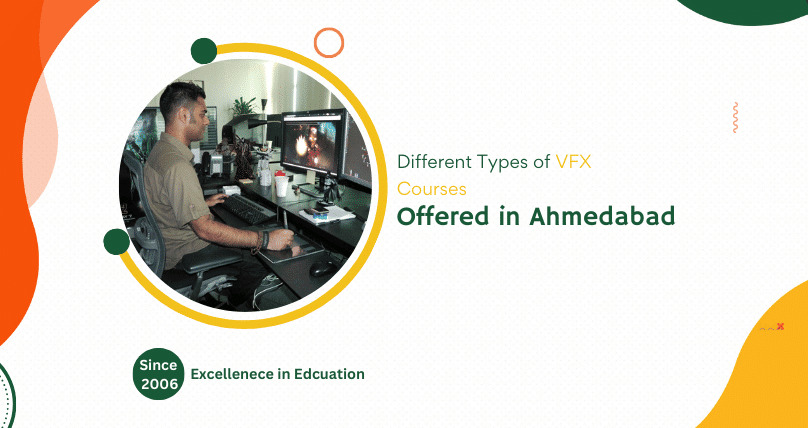
Different Types of VFX Courses Offered in Ahmedabad

When you think of blockbuster movies like Baahubali, Robot 2.0, or Avengers, all blessed with one magical ingredient: VFX! Whether you see jaw-dropping explosions or a fantasy world to enchant spirits, or lifelike spawning, the VFX is now wholeheartedly backing modern entertainment. 

There are around 1000 colleges in India providing courses in animation and VFX. Choosing the right one is hardly a small quest for students post the 10th or 12th grade. If you are also looking in and around Gujarat, you will be happy to know that Ahmedabad is increasingly becoming a creative and technical education hub. 

Different Types of VFX Courses Offered in Ahmedabad

Among the most credible names, Kalapurnam Institute offers the best VFX course in Ahmedabad that one can enroll in. We have creative professionals and courses that focus on the industry.

If you wonder about the VFX courses available in Ahmedabad, this piece is your comprehensive guide.

What is VFX?

We must understand the basic definition of VFX before discussing the various courses. The visual effect is a process of creating or enhancing imagery in movies, games, music videos, and advertisements that cannot be captured on film in a live-action setting. It combines creativity and technology, like bringing dragons to life, futuristic cities, and actors turned into superheroes. 

Whereas CGI (Computer-Generated Imagery) is a broad term used for all computer graphics, VFX stands for the art of combining computer graphics with real-world clips to create composite and believable imagery.

Why Pursue a VFX Course in Ahmedabad?

With the presence of Kalapurnam Institute, Ahmedabad has become a growing hub for innovative education that tries to bridge the gap between global industry demands and student-friendly learning. A student studying for a VFX course in Ahmedabad is taught theoretical knowledge and also exposed to working on live projects with various software under the guidance of professional mentors.

What are the Different Types of VFX Courses Available?

Students can choose from many VFX programs at Kalapurnam, depending on interest, career aspirations, or working proficiency. They include:

  1. Foundation Course in VFX

This is an entry-level course after 10th or 12th, which offers glimpses into the VFX world. One will learn the entire gamut of design and storyboarding, as well as software applications such as Photoshop and After Effects. 

 Best for: For those who are intuitive and just exploring to see if this is something they want to pursue.

  1. Diploma in VFX & Animation

It is kind of like an advanced curriculum that comes past the basics of VFX. It teaches the tools: Maya, 3DS Max, Nuke, and Cinema 4D. This diploma covers 2D/3D animation, visual storytelling, and compositing.

Best for: Students who need skills to get them job-ready instantly.

  1. Advanced Certification in VFX

The program applies to motion graphics, 3-D modeling, matte painting, and visual compositing. Almost entirely focused on live projects, students concurrently study advanced editing with Premiere Pro and After Effects.

 Best for: Learners who are willing to enter production houses, game studios, or film industries.

  1. Degree-Oriented VFX Programs

For those aspiring for a long-term career, degree programs give students a full 3-year journey into animation and VFX courses. Other than software learning, students also get an exposure to matchmoving and character Tracking, digital sculpting, filmmaking, gaming, and advanced CGI concepts.

 Best for: Students who are seriously into the VFX industry and are aspiring for senior creative positions.

Where Do VFX Professionals Work?

The scope of the VFX courses in Ahmedabad is way beyond just movies; trained professionals find their opportunities at:

  • Bollywood and regional films
  • International studios working with India
  • Advertising agencies
  • Gaming companies (think Fortnite level of realism!)
  • OTT platforms and music videos
  • Live theatre and event productions

With the Indian market maturing, VFX careers are no longer Mumbai or Hollywood. Global studios have started setting up their places in India, and Ahmedabad students have an edge thanks to high-quality training from institutes like Kalapurnam.

Is VFX Hard to Learn?

VFX requires patience, creativity, and continuous practice. In simple words, just like any other creative field. Kalapurnam Institute makes even the hardest of tools and procedures easy through a step-by-step approach by continuously guiding the students. You don’t need to be a topper or have a tech background if you are desperate enough about creativity and imagination can excel in this field. 

Our institute offers more than just teaching software. It aims at training artists in the spheres of storytelling, creative imagination, and technology. Its program includes:

  • Practical training through live projects
  • Latest software tools such as Maya, Cinema 4D, Nuke, and Spark AR 
  • Instructor trainers who have hands-on work experience
  • Placement assistance in reputed studios and agencies. 

Kalapurnam Institute has become a renowned name over the years for VFX and animation training in Ahmedabad to join in.

Concluding Remarks

VFX is at the core of the rapidly growing entertainment sector. A structured VFX courses in Ahmedabad can lay the groundwork for your success, whether your goal is to make the next Baahubali, create immersive games, or design cinematic advertisements.

You’re investing in a career full of creativity, innovation, and international opportunities when you enroll in a course at Kalapurnam Institute.

Hurry up, Enquire Now.

What You Need to Know About Animation and Graphic Design Courses Fees in India (2025 Guide)

Is a Career in Animation or Graphic Design Worth the Investment?

Animation and graphic design are two of the fastest-growing creative fields in India. With demand rising across media, advertising, education, and entertainment sectors, more students are enrolling in professional training programs. However, a common concern for most aspirants is understanding the animation and graphic design courses fees and choosing the right institute.

What You Need to Know About Animation and Graphic Design Courses Fees in India (2025 Guide)

One of the leading choices for aspiring creatives in Gujarat is Kalapurnam Institute, known for its hands-on, software-driven approach and excellent placement support. Whether you’re a beginner or an upskiller, Kalapurnam offers tailored programs in both animation and graphic design.

Top Institutes Offering Animation and Graphic Design Courses in India

Here’s a look at some reputed institutes and what they offer:

Kalapurnam Institute (Ahmedabad)

  • Offers diploma and certificate programs in 2D/3D Animation, Graphic Design, and VFX.

  • Focuses on live projects, design software like Adobe Suite, Maya, Blender.

  • Known for personalized training, industry-focused curriculum, and practical exposure.

  • Provides internship and placement assistance across Gujarat and other cities.

Explore:

Arena Animation

  • Nationally recognized for animation and multimedia education.

  • Offers modular programs in animation, gaming, and VFX.

  • Focus on portfolio building and placement through industry connections.

AAFT Online

  • Suitable for learners preferring flexible online programs.

  • Offers bachelor’s degree and certification courses in graphic design and animation.

  • Backed by industry professionals and a media-centric curriculum.

Animaster Design School

  • Based in Bangalore, Animaster offers full-time courses in graphic design and digital arts.

  • Blends traditional art principles with modern design tools.

What Affects Animation and Graphic Design Course Fees?

While exact numbers vary by institute, several factors typically influence course pricing:

  • Course Duration: Short-term certificates cost less than long-term diplomas or degrees.

  • Mode of Learning: Online or hybrid models tend to be more affordable than full-time classroom courses.

  • Software & Tools: Institutes providing licensed software access or digital labs may include this in the total course cost.

  • Placement & Mentorship: Institutes that offer placement services or one-on-one mentorship often charge a premium.

  • Geographic Location: Institutes in tier-1 cities might have higher fees compared to those in regional hubs like Ahmedabad or Pune.

Course Types Available in India

Course Type Ideal For Learning Focus
Certificate Course Beginners / Hobbyists Basics of software & design concepts
Diploma Course Career Switchers / Freshers Skill-based learning with portfolio
Advanced Diploma Professionals / Freelancers Specialized tools and job readiness
Bachelor’s Degree Students after 12th Academic + creative career path
PG Diploma Graduates looking for a niche Advanced software and branding


Is It Worth the Cost? Understanding ROI in Creative Careers

Animation and graphic design courses may seem like a big investment initially, but they offer long-term returns in the form of:

  • Growing Career Options: Film, advertising, digital marketing, UX/UI, branding, gaming.

  • Job Profiles: Graphic Designer, Animator, Illustrator, 3D Artist, VFX Editor, Motion Designer.

  • Income Potential: From salaried positions to freelance gigs, earnings scale with your skills and experience.

  • Freelance Market Access: With the rise of platforms like Fiverr, Behance, and Dribbble, skilled designers can work globally.

Tips for Choosing the Right Institute (Beyond Just the Fees)

  • Check if they offer hands-on training with real projects.

  • Evaluate placement assistance and alumni success stories.

  • Ask if software and certifications are included.

  • Consider flexibility (weekend or online classes) if you’re working.

  • Review the faculty profile and mentorship structure.

Conclusion: Choose Smartly, Not Just Cheaply

Instead of chasing the lowest fee, focus on value for money—what tools, training, and outcomes you get. Whether you want to pursue design as a career or explore your creative side, choose an institute that aligns with your learning goals.

For those in Gujarat, animation courses in Ahmedabad and graphic design courses in Ahmedabad at Kalapurnam Institute offer a great blend of affordability and industry-readiness.

FAQs – People Also Ask About Animation and Graphic Design Courses Fees

Q1. Are animation and graphic design courses expensive in India?
A: Costs vary, but many institutes offer flexible pricing and EMI options to make it affordable.

Q2. What’s the difference in fees between diploma and degree programs?
A: Degree programs are usually more expensive due to longer duration and academic certifications.

Q3. Do institutes like Kalapurnam offer EMI or installment payment options?
A: Yes, many reputed institutes including Kalapurnam offer easy installment plans.

Q4. Can I get job placement after completing a course?
A: Most professional institutes offer placement support, internships, or job portals.

Q5. Are online courses cheaper than offline ones?
A: Yes, online or hybrid learning models are generally more budget-friendly.

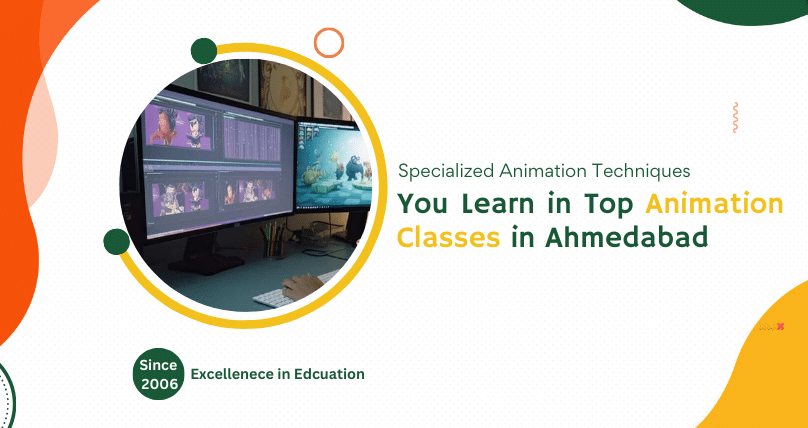
Specialized Animation Techniques You Learn in Top Animation Classes in Ahmedabad

Animation is more than handwritten drawing of a person, It is about bringing creativity into birth. If you want to pursue animation, your institution becomes the most important consideration. Top animation classes in Ahmedabad provide students with a unique skill set that will allow them to master animation and be a prominent identity in this highly competitive industry. 

Specialized Animation Techniques You Learn in Top Animation Classes in Ahmedabad

Whether you want to work on big feature films, into highly immersive video games, or in very catchy advertisements, absorbing these advanced techniques will be the icing on the cake.

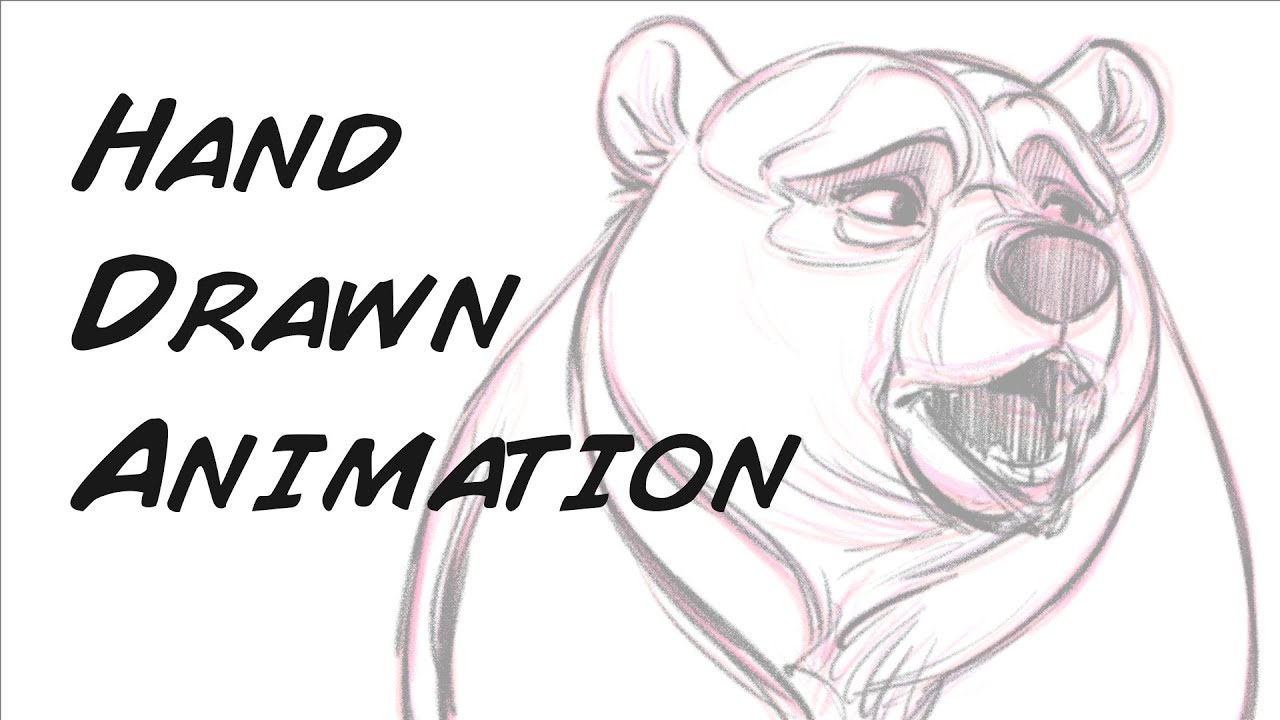
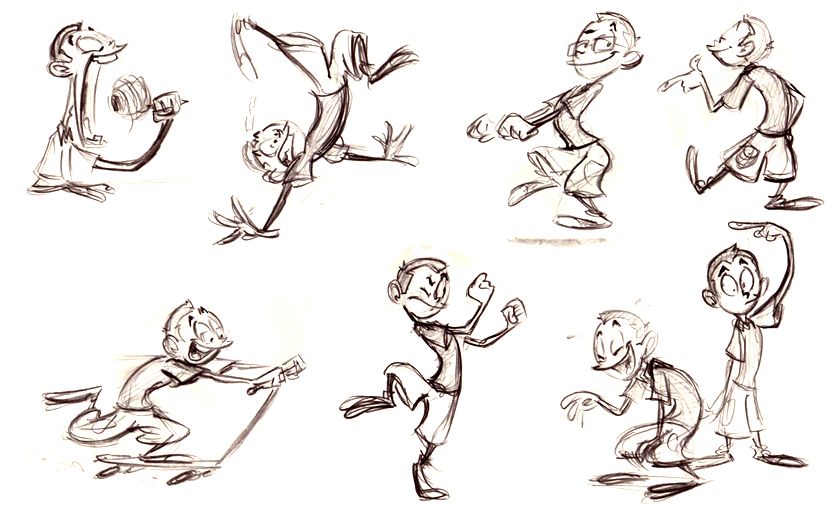
1. Traditional Hand-Drawn Animation

Traditional Hand-Drawn Animation

The importance of mastering traditional hand-drawn animation cannot be overemphasized in this day and age. Most leading animators learn the principles of drawing first before going digital. This principle teaches the aspiring animator about keyframing, character movement, and assures the basic foundation of animation principles.

2. Stop-Motion Animation

Stop-Motion Animation

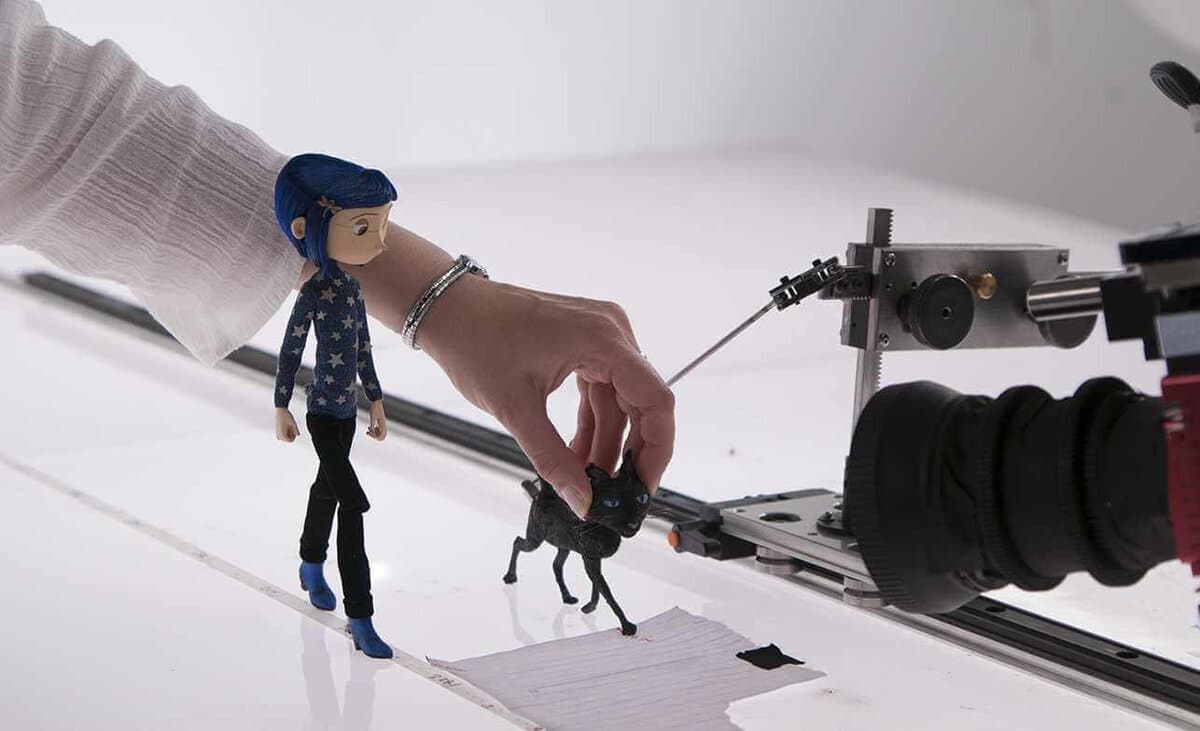
Stop-motion animation involves taking successive photographs of objects or clay figures in a series of movements. It requires a lot of time, hence large-scale implementation in films. Top animation classes in Ahmedabad will familiarize students with the different stop-motion techniques, including Claymation, object animation, and cut-out animation, thus allowing for the exploration of a unique and artistic style.

3. 3D Animation and Rigging

3D Animation and Rigging

Thanks to CGI that has taken over films and video games, this very form of animation has become the predominant type within the industry. 3D animation is the study of various software packages like Autodesk Maya, Blender, and 3ds Max. 

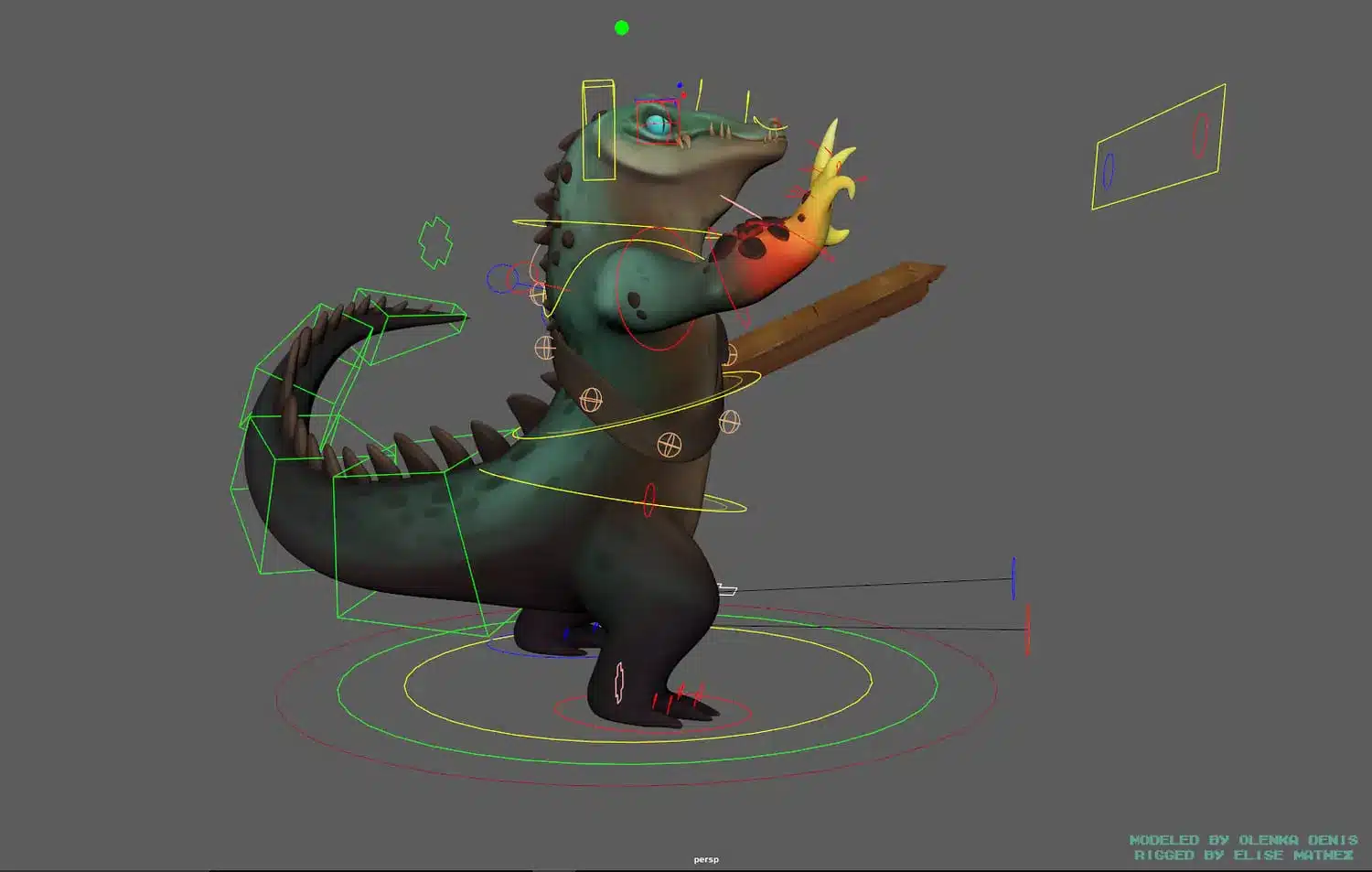
Rigging pertains to the process of creating a skeletal structure upon which characters and objects will be articulated. Animation institutes arm their students with the skills needed for both character and environment animation, which testifies to professions in VFX, gaming, and film production.

4. Motion Graphics and VFX

Motion Graphics and VFX

Motion graphics is a combination of animated text, icons, and graphic design to come up with compelling images for advertisements, presentations, or social media sites. Currently, this is widely used in the corporate world and digital marketing. For instance, some best animation institutes in Ahmedabad offer courses on how to use software such as Adobe After Effects, Cinema 4D, and other tools to develop amazing motion graphics or realistic-looking visual effects.

5. Rotoscoping

Rotoscoping

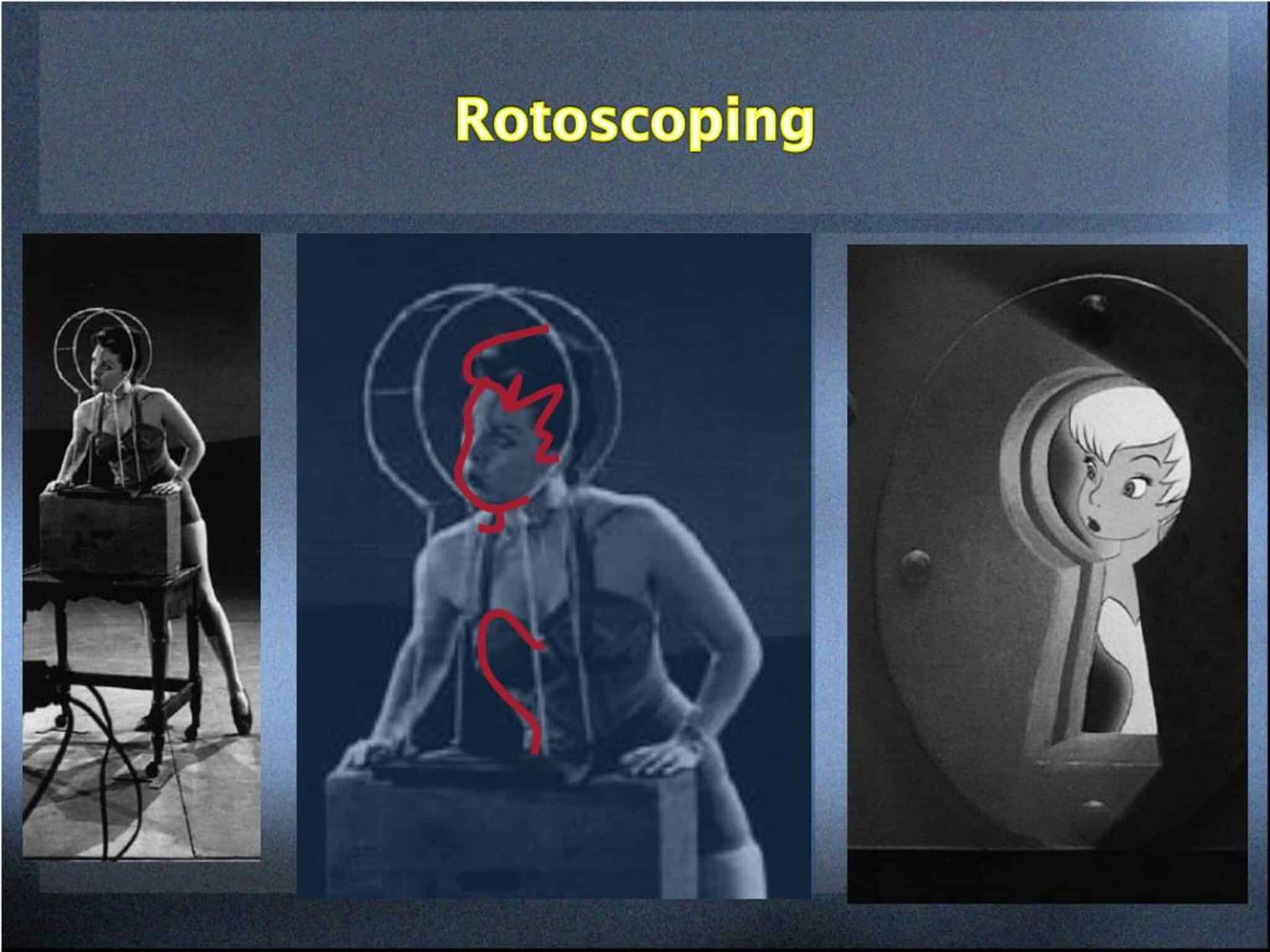
Rotoscoping is one of the key techniques in the VFX industries, which is tracing over moving pictures frame-by-frame to create realistic animations. This, in turn, puts together live-action footage with animated elements resulting in some magical effects for the films. It gives an edge to student’s game in post-production and film editing.

6. Character Design and Storyboard

Character Design and Storyboard

Likewise, an animated movie or game or ad starts with the character design and storyboard- it opens everything. Students are taught how to have unique characters embodying different personalities, expressions, and movements. On the other hand, storyboarding helps in planning the animation sequence, which in turn would help in taking the designing storyboard to smooth storytelling and scene transitions.

7. Game Animation and Simulation

Game Animation and Simulation

Game animation will have a different approach and might require totally different capabilities. Real-time rendering is a phenomenal aspect along with physics-based movements with interactive characters. In this competitive environment, advanced institutes teach students how to create fluid animations for video games to provide a great experience for gamers.

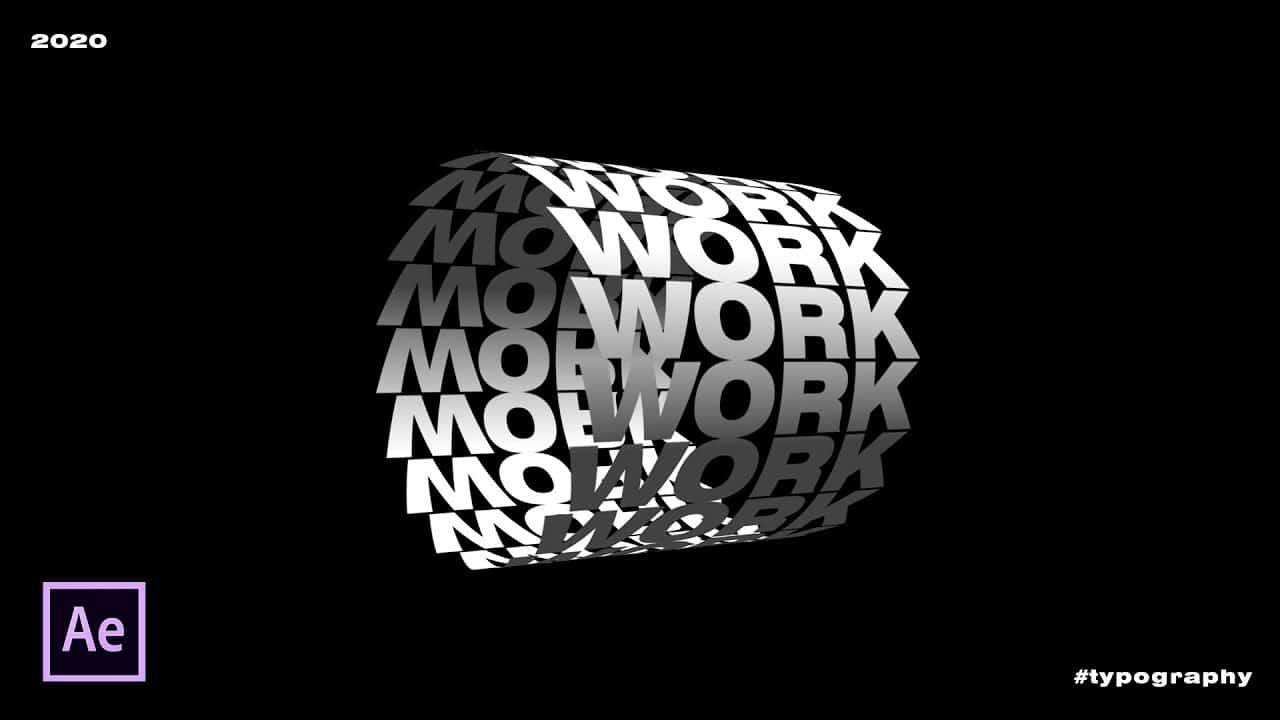
8. Typography Animation

Typography Animation

Typography animation, or kinetic typography, breathes life into text. It is commonly found in advertisements, explainer videos, and social media content. By learning this technique, students will create messages that move while informing people interestingly.

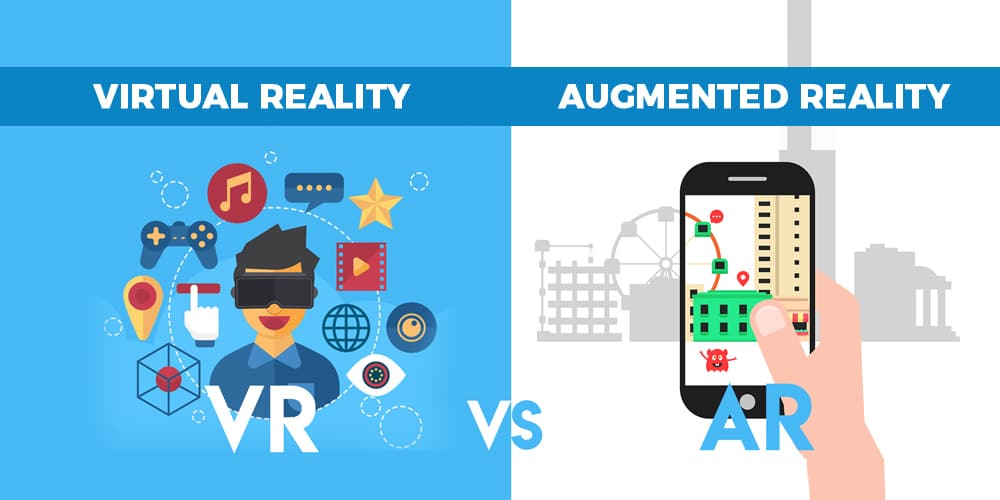
9. Augmented Reality (AR) and Virtual Reality (VR) Animation 

Augmented Reality (AR) and Virtual Reality (VR) Animation 

With the increased importance of immersive technologies, AR and VR animation is becoming trendy. It comprises such applications as creating interactive environments and characters for gaming, education, and real-world simulation. Learning AR and VR animation opens a new career opportunity. 

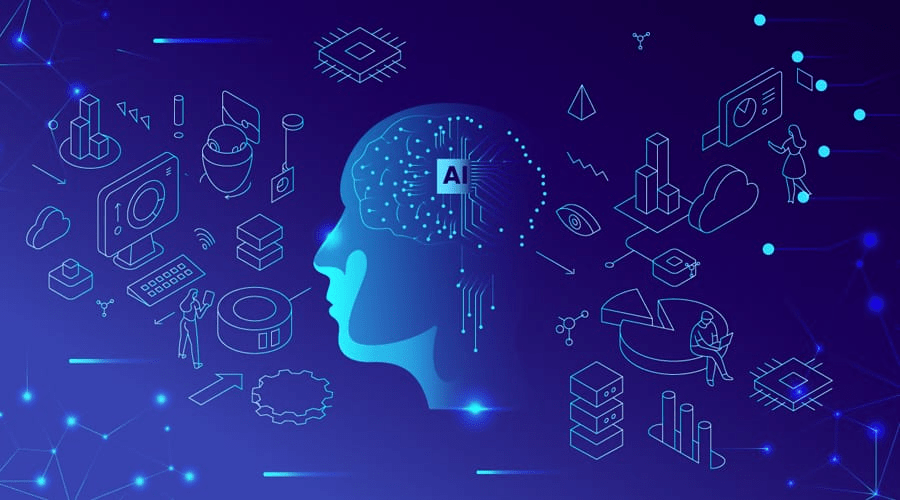
10. Eventually, It Will Be About AI and Machine Learning: Animation 

AI and Machine Learning

AI and machine learning shape the future in animation. These technologies help automate repeated tasks, enhance animations of the character, or move movements to reality. Aspiring animators who learn AI-based animation techniques will be ahead of the time in the development of the animation industry.

Join the Best Animation Institute in Ahmedabad – Kalapurnam Institute 

Kalapurnam Institute offers top animation classes in Ahmedabad for budding animators. At our best animation institute in Ahmedabad, we train students with industry knowledge, hands-on experience to create a world-class studio portfolio. 

Start your animation voyage right here! Join Kalapurnam Institute today and breathe to live all that you have created in your mind.

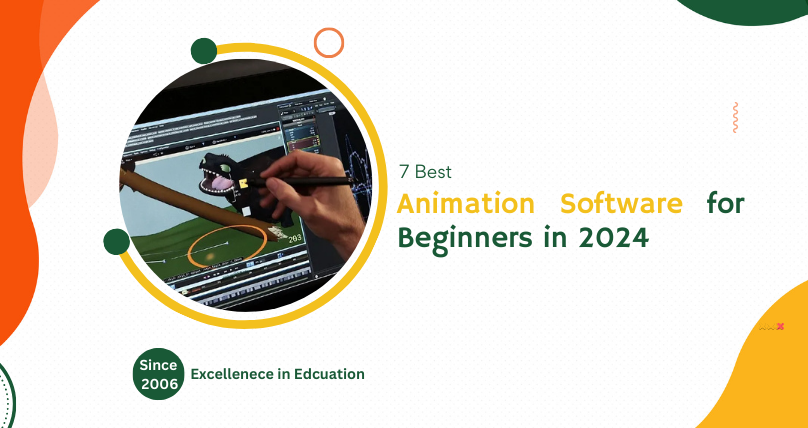
7 Best Animation Software for Beginners in 2024

It could be quite a challenge, particularly for newcomers to choose the best animation software to materialize their ideas. When faced with so many choices, picking the right software may be a daunting task. This article will help discover the best animation software for every designer, professional, or hobbyist.

Getting Started with Animation in 2024: What Every Beginner Should Know!

So, you’re thinking about diving into the world of animation? That’s amazing! Whether you’re dreaming of making cool YouTube videos, explainer animations for brands, or even entering the world of films and VFX, animation is one of the most in-demand and fun careers out there right now.

Before you download the software and start animating, let’s understand the bigger picture — because choosing a software is just step one. Let’s explore what else you need to know in 2024 as a beginner in animation.

Why Animation is a Hot Skill in India Right Now?

  • The Indian animation industry is growing rapidly. In 2023, it was valued at over ₹30 billion and is expected to reach ₹50 billion by 2026. 
  • Thanks to OTT platforms, e-learning, gaming, and YouTube, there’s a high demand for animators. 
  • Job portals like Naukri.com and LinkedIn show over 10,000+ active jobs in animation and design across India at any time. 

So if you’re learning animation today, you’re already one step ahead in grabbing future career opportunities!

Before You Choose Animation Software – Ask Yourself This

  1. What’s your goal? Want to make 2D cartoons, 3D models, motion graphics, or animated logos? Your goal decides your tool. 
  2. What’s your budget? Some software is free, others are paid — but even free tools can be powerful for learning. 
  3. Do you have a basic system or a high-end PC/laptop? Heavy software needs better system configuration. 
  4. Are you planning to learn professionally or just explore as a hobby?

Which is the Best Animation Software must learn to be an animator in 2024?

Using the best animation software might seem complicated, but with recent technologies, these platforms have become easy to learn. If you want to start your animation journey, you must know about the following software. They are currently the most trending software used by animators:

7 Best Animation Software for Beginners in 2024

Procreate

The iPad painting animation software Procreate is simple and intuitive. Users get the impression of sketching with a pencil on paper with Procreate but with far more freedom of movement and expression. Not only does it allow users to sketch on the screen, but it also provides them with various brushes that mimic other mediums, such as watercolor and oil paint, allowing them to get the desired effect. Additionally, it has a function that may automatically rotate the canvas. It facilitates the transition between sketching in landscape and portrait modes.

Houdini Animation

Houdini Animation software sets itself apart with unique workflow structures. Its features make the program excellent for highly professional jobs and beginners. It helps generate real-time animation. It makes it easier to simulate animated fire, hair, water, smoke, clothing, fur, and other highly textured and detailed elements in real time. The result is stunning, realistic effects.

Adobe Animate

Adobe Animate software  (previously known as Flash Professional) helps make top-quality graphics. They are scalable, reusable, and adaptable for cartoons, banners, games, and other interactive content. It’s easy to import from Animate to After Effects and publish your animated videos to multiple platforms with the push of a button.

Blender

Blender is one of the best animation software. This open-source platform is developed and maintained by people and is free to beginners and professionals alike for personal and commercial projects. In addition to letting users draw directly on a screen, it gives them access to brushes. Blender 3D animation software lets you import textures and other objects.

Adobe After Effects

Adobe After Effects software lets you make animated text and visual effects. You can make full-screen intros, lower thirds, and photo collages. You can also color-correct videos. It has tools that help smoothly transition between video clips. You can add motion graphics and visual effects to edited videos. The software animates, changes, and combines media in 2D and 3D.

Cinema 4D

Cinema 4D 3D animation software which is Developed by a company called Maxon Computer, offers an array of tools to help designers recreate a great-quality representation of whatever image they hold in their imagination.

Unity

Unity animation software is one of the most popular gaming engines. It was used to develop popular mobile games like ‘Subway Surfers,’ ‘Among Us’ and ‘Call of Duty: Mobile’ and even console games like ‘Apex Legends’ and ‘Valorant.’ Designers can collaborate on the same project from anywhere over the cloud with Unity Teams Advanced. It can be used on Windows, MacOS, and Linux

Is Animation Software Helpful?

Animation software is very helpful. They let you add motion graphics and visual effects to videos. This makes the videos more exciting and engaging to watch. Animation tools are much faster than old ways of hand drawing cartoons frame by frame. With the best animation software, you can easily change and redo animations. This lets you experiment and get creative with your animations.

Animation tools have completely changed how people make videos and online content today. More things now use motion graphics and visual effects. The tools help both professionals and amateurs create high-quality, smooth animations. Overall, animation tools let anyone make slick, visually appealing videos that capture viewer attention.

Tips To Discover Your Animation Passion

When starting the animation, try different software first. Many have free trials. See what fits your skills and creativity best before paying.
Don’t just use one program. Some work together for more options. If learning new software is hard, remember your passion. Let programs help your vision, not limit it.
Animation is about imagination and fun. Try new tools risk-free first. Try different software to see which one suits you. Focus on the joy of creating. Let software assist your vision, not complicate it.

Learn the Best Animation Software At The Best Animation Institute In Ahmedabad

Want to learn animation? Join Kalapurnam Institute, the best animation institution in Ahmedabad. We won’t just teach you how to use the best animation software; we’ll teach you so much more. Our expert teachers will help you learn all aspects of animation. We also provide job placement after you complete the program. At Kalapurnam Institute, you’ll get the skills and knowledge needed for a career in animation. The training is comprehensive. Join Kalapurnam Institute for the best animation education and training. Don’t forget to check out our students’ animation work on Kalapurnam Institute’s Instagram profile.

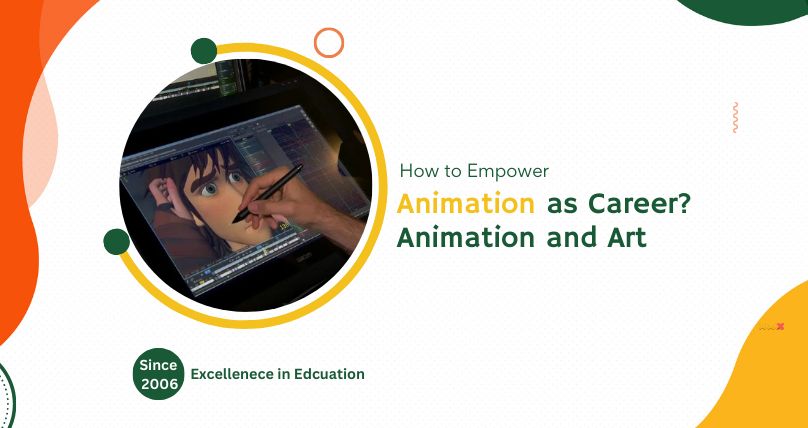
How to Empower Animation as Career? Animation and Art

The Relation Between Art And Animation

Animation is both a skill and a fine art. 

Many people are wrong when they say that animation is not an art form, but it’s art. Animation as career allows artists and tech-savvy individuals, called animators, to bring characters and settings to life. It lets artists share their unique views and pushes the limits of what’s possible. Over time, new styles, technologies, and methods have helped this art form move forward.

How to Empower Animation as Career Animation and Art

What Is Animation? 

Animation creates the illusion of movement by photographing progressive drawings, models, or puppets in sequence. Our eyes only retain images for about 1/10th of a second. So when multiple images display rapidly in succession, our brain integrates them into a single moving picture. Animation has various forms: 

  • Traditional animation employs hand-illustrated graphics captured frame by frame. 
  • Rotoscoping is the process of tracing live-action film frame by frame to create animated sequences that look like actual motion. 
  • Anime is a distinct animation style developed in Japan that employs both hand-drawn and computer animation techniques.
  • Cutout animation creates movement by shifting flat items such as paper, cloth, or photographs frame by frame. 
  • 3D Animation is the process of creating characters and environments in 3D on computers. Animators can use software to include motion and render 3D models in their animations. 
  • Stop Motion quietly moves real models frame by frame to create the illusion of motion. 
  • Motion graphics incorporate computer animation and visual effects into live-action films.

What Are The Top Options Animation as a Career After Taking Animation Courses?

Want to opt for the best career in Animation? Here are the top options you can choose: 

  • 3D Artist – As a 3D artist, you make 3D models, effects, and animations for movies, games, and VR.
  • Animation Director – Leads animation team, and oversees production.
  • Animator: Someone who gives characters and things life by moving and talking.
  • Art Directors: The art director oversees the project’s general style and look.
  • Creative Director: The creative director sets the overall direction and creative decisions for the projects.
  • Graphic artist: A graphic artist makes titles, transitions, motion graphics, and VFX.
  • Graphic Designers: UI, icons, marketing materials, and print materials are all made by graphic designers.
  • Illustrator: Draws scenes, characters, and other visual features.

Start Your Animation as Career Journey As A Beginner

  • Studio life: Learn from the masters at established studios.
  • Freelance freedom: Set your hours and work on fun projects directly with clients.
  • Full-time job: Land a stable job at a leading animation company.

Ratio Of Successful Animation as Career: Choose Carefully & Become Successful Animators In Life

The ratio of successful careers in animation might seem hard to achieve, but it is possible if you get the best education. The animation industry is very competitive; only the best can make it. That’s why It’s important to enroll in the best animation institute, like the Kalapurnam Institute. This will immensely improve your chances of being a successful animator and securing a great career.

Success takes passion, drive, and smart choices. When studying animation, you must pick an area that matches your talents – 3D, 2D, modeling, rigging, texturing, etc. Get the best-specialised training and build an impressive portfolio. Do internships to get experience and make connections. Constantly network to find openings. Expect to start small with contract work. All these will help you excel in animation better than others, increasing your chances of being successful in the field.

Bring a positive attitude and eagerness to learn on every project. With dedication and drive, you can build a rewarding animation career over time. Stay updated on trends and keep your skills sharp. Animation is challenging but fulfilling for those willing to work hard.

Animation Courses After 12th Arts animation Career after 12th

  • Animation after 12th arts stream gives your creativity digital wings, turning sketches into animated worlds.
  • Combine your passion for narrative with animation techniques, bringing characters and emotions to life.
  • From character design to storyboarding, your artistic skills find a new playground in animation.

Animation Courses After 12th Commerce

  • Animation opens doors to exciting careers after 12th commerce in marketing, advertising, and design, where visual storytelling is the key.
  • Learn software, design principles, and animation techniques, expanding your professional toolkit.
  • Your unique skill set, blending business and creative know-how, can give you an edge in the animation industry.

Animation Courses After 12th Science

  • Dive into 3D modeling, rigging, and simulation, applying your scientific knowledge to animation after 12th science stream.
  • Animation offers a unique blend of technical problem-solving and artistic expression, stimulating your mind.
  • Your science background allows you to excel in game development, VFX, and technical animation, leading to high-demand jobs.

Start Your Animation Career With Kalapurnam Institute – One Of The Best Animation Institutes In Ahmedabad:

Starting your animation as career can be exciting, but finding the right job can feel daunting. That’s why Kalapurnam Institute, the best animation institute in Ahmedabad goes beyond just teaching animation – we help you land your dream job via placement opportunities.

Conclusion

Animation is a huge industry and only a good animation course can help you start your career. Kalapurnam Institute, one of the best animation institutes, offers animation courses to help you master your passion and land your dream role.

Our expert teachers teach you real-life animation skills that can help you propel your career in the right direction. If you have a knack for art and animation and are looking for placement after an animation course, we are the perfect Institute. Our range of courses is built for your betterment.

Contact our animation courses training center in Ahmedabad today if you wish to know more.

Education Since
Whatsapp Icon